


March 4, 2026 at 9:43 a.m.
‘Give me this water so that I may not be thirsty’
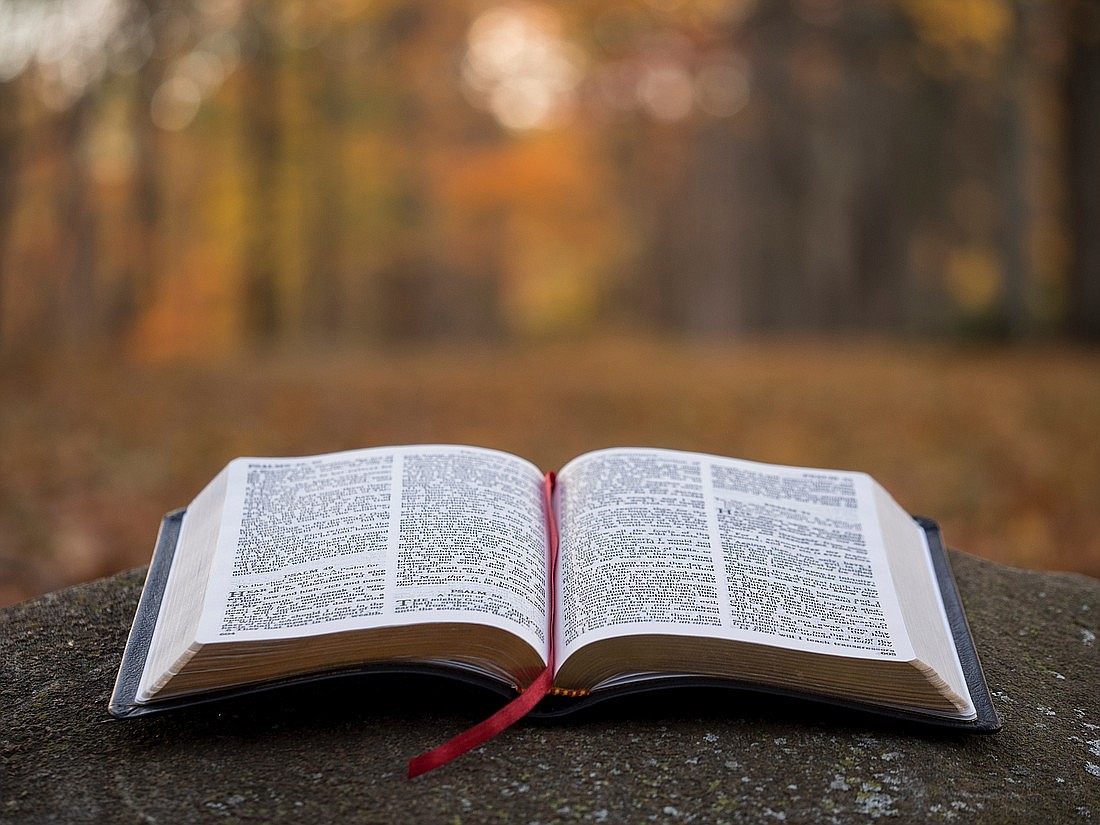
Does God thirst? Yes! God thirsts spiritually for union with His creation. St. Augustine wrote in “The Confessions:” “God thirsts that we might thirst for him.” This quote refers to God’s spiritual thirst and desire for a relationship with humanity. We too thirst for God, and by seeking to have our thirst for God quenched, our thirst for God then prepares us to share in God’s promise of salvation. God alone can comfort our restless hearts. Remember St. Augustine’s famous quote from “The Confessions:” “You have made us for yourself, O Lord, and our hearts are restless until they rest in you.”
Jesus said to them, “My food is to do the will of the one who sent me and to finish his work.” — John 4:34
The Israelites became restless in the desert and “in their thirst for water, the people grumbled against Moses, saying, ‘Why did you ever make us leave Egypt’ ” (Ex. 17:1-2). The people thought if they only had freedom, that freedom would satisfy all their longings. But true freedom can only be found in and with God. St. Augustine, in his writings on grace, wrote about true freedom, saying it is “the capacity to joyfully and consistently choose the good, which is only possible through God’s grace.” True freedom then is union with God, something that the Israelites were struggling with in the desert. They were thirsting, but they were not thirsting for God. They longed for some ambiguous transitory satisfaction, not that which is eternal.
God longed for them to be freed from slavery and death, and for this reason he sent Moses as their deliverer. They regretted their decision to have ever left Egypt and now they had to take responsibility for the decisions they had made. As they complained that they were thirsty, “Moses cried out to the Lord, ‘What shall I do with these people? A little more and they will stone me’ ” (Ex 17:4). The Lord answered Moses: “Strike the rock and water will flow from it” (Ex.17:5). Even though they tested God in the desert, God still desired union with His creation. “The place was called Massah and Meribah, because the Israelites quarreled there and tested the Lord, saying, ‘Is the Lord in our midst or not?’ ” (Ex.17:7).
Jesus understands the powerful need for water. When Jesus was thirsty, he asked for water from the woman at the well. “Jesus said to her, ‘Give me a drink.’ His disciples had gone into the town to buy food. The Samaritan woman said to him, ‘How can you a Jew, ask me, a Samaritan woman for a drink?’ ” (John 4:7). Jesus responded by saying, “If you knew the gift of God and who is saying to you, give me a drink, you would have asked and he would have given you living water” (John 4:9). Jesus most profoundly understood what it meant to thirst. As he hung upon the cross, “Jesus said, ‘I thirst’ ” (Jn. 19:28). What Jesus thirsted for then and now is not for water, but for the salvation of humanity.
When the woman came to the well to draw water, Jesus knew that she thirsted for more than physical water; even though she did not know it, she was thirsting for living water. “Jesus said to her, ‘Everyone who drinks this water will be thirsty again; but whoever drinks the water I shall give will never thirst; the water I shall give will become in him a spring of water welling up to eternal life’ ” (Jn. 4:13-14). How could something so simple satisfy the woman at the well, after all, her life is a testament to never being satisfied. This encounter with Jesus illuminates her heart. For the first time in her life, she had an encounter and a relationship with God. She asks for this living water and this is the reason she can be satisfied. “The woman left her water jar and went into the town and said to the people, ‘Come see a man who told me everything I have done. Could he possibly be the Christ?’ ” (John 4:28-29). She encountered the grace of God, which allowed her to live in the freedom of God. God’s grace does not thwart freedom of the will, but rather, true freedom is found when we unite our own free wills with the will of God. The woman at the well found what she was always looking for, true freedom, which can only be achieved by seeking union with God.


- Trump revives baseless claims about Haitian migrants in Ohio while touting deportations
- US bishops, lawmakers offer prayers for Pope Leo after cancer diagnosis
- Pope Leo XIV’s surgery reveals lung cancer
- What’s a lung nodule? As Pope Leo undergoes surgery, medical experts explain
- Prayers for pope ahead of surgery invoke Our Lady of Fatima on miracle of sun anniversary
- Pope Leo XIV admitted to hospital for afternoon lung surgery
- Beyond the celebration: Quinceañera formation nurtures faith and belonging
- Texas priest named Maronite bishop of eparchy in Mexico
- Archbishop Broglio denounces ‘public spectacle’ of Hasan execution, obliges Catholic recusal
- Washington Letter: Pentagon plan to livestream execution met with widespread condemnation
Comments:
You must login to comment.