


January 21, 2026 at 9:27 a.m.
Being disciples: A relationship and a response
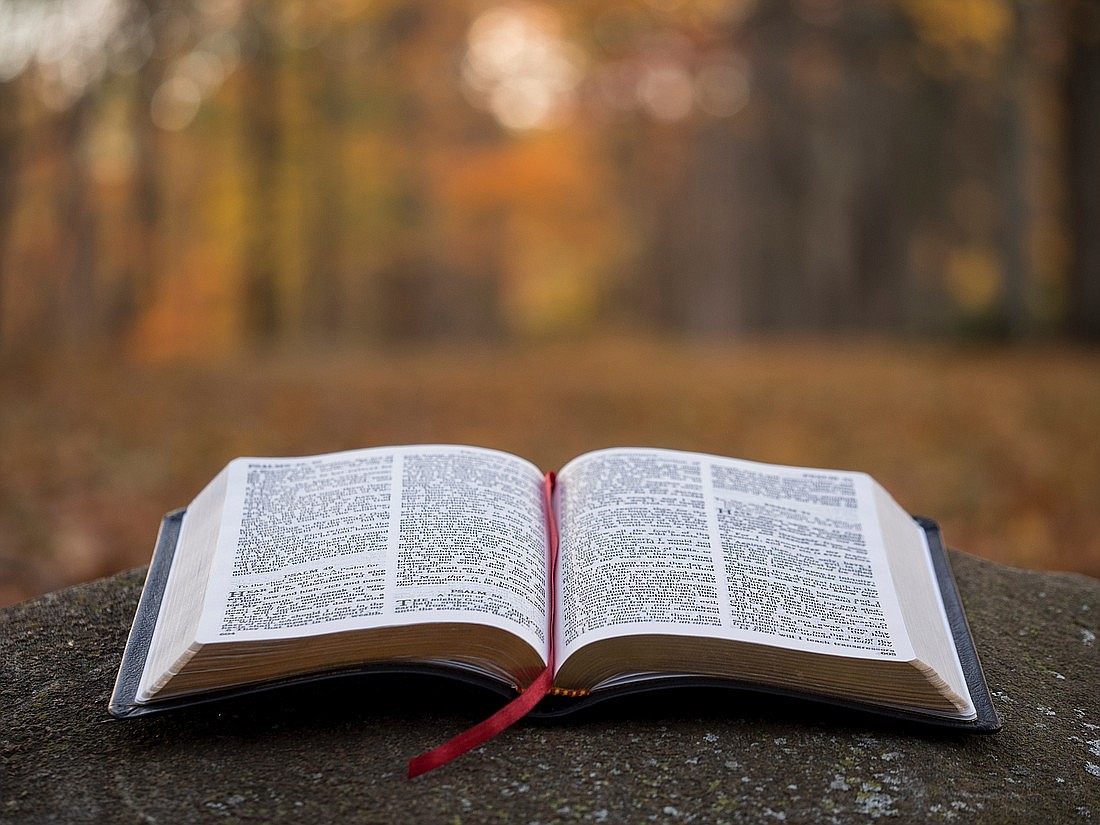
From that time on, Jesus began to preach and say, “Repent, for the kingdom of heaven is at hand.” — Matthew 4:17
In our Gospel this weekend, Jesus begins what we call his “public ministry,” and St. Matthew gives us the very heart of this ministry of our Lord. Jesus fulfills the amazing prophecy proclaimed by the prophet Isaiah in our First Reading. Jesus comes to bring light to those who sit in darkness. We can understand this wonderful gift as a journey of faith and discovery (or, really, rediscovery). This great gift is realized when Jesus’ words are heard and then taken to heart. Again, the Gospel gives us a model, or template, of how this journey is to unfold. It involves hearing first, then receiving, then repentance, and finally commitment to be a disciple of the Lord.
St. Matthew then illustrates this journey in the life-changing encounter between Jesus and four fishermen, namely Simon, Peter and Andrew, and then James and John. We can imagine that they had all worked hard at their job of fishing; indeed, Simon, Peter and Andrew were still busy with their job. James and John were also occupied in mending their nets, perhaps before going home for a well-earned rest. As we read, despite their busyness with their job or their tiredness, they respond immediately to Jesus’ call. They leave everything and follow Jesus.
This incident is, of course, a model for us and an invitation from the Lord to follow him, that is, to be his disciples. The Gospel also makes us pause and think: Am I a real disciple or a true follower of Jesus Christ? Have I welcomed the light of Christ into my life, above all, through repentance and then in living my faith? A recent book (and one that I would recommend), “Forming Intentional Disciples” by Sherry Weddell, draws on a huge amount of research and her own interviews with thousands of Catholics to give a picture of the current situation in the Catholic Church in the USA. One surprising outcome concerns the Catholic understanding of “discipleship,” that is, of being an intentional disciple or follower of Jesus, shown, for example, in having a deep and personal relationship with God.
She found that nearly one-third of self-identified Catholics stated that they do not believe in a personal God or that they feel that they have a personal relationship with Him. Even more surprisingly, over 50 percent doubt that such a personal relationship is even possible. Furthermore, although some Catholics may receive the sacraments and believe in some form of God, they do not see themselves as being “disciples” of Jesus Christ. Yet, as she points out, discipleship, or having a personal relationship with God, is both the foundation and the outcome of the sacraments and having a Catholic faith. As Pope Saint John Paul II put it, “without any explicit personal attachment to Jesus Christ they (baptized Catholics) only have the capacity to believe placed within them by baptism and the presence of the Holy Spirit.”
So, discipleship — a personal discipleship, or an explicit and personal attachment to Jesus — is at the heart of our faith and is normative and essential. As noted above, we can find the model or journey of this discipleship in the person of Jesus in Sunday’s Gospel. We can also see it in the many other life-changing encounters between Jesus and people that we read about in the Gospels. When they met Jesus and allowed him into their hearts, their lives were transformed forever.
Matthew Kelly, in his book “The Four Signs of a Dynamic Catholic” (another one I would certainly recommend), gives four simple and “doable” signs of what he calls a dynamic Catholic (or disciple): prayer, study, generosity and evangelization. He suggests some practical and simple ways for us to deepen our discipleship and relationship with the Lord in each of these four areas; things that when we read about them, we could say, “I can do that!”
Jesus calls each one of us, personally, by name, to follow him and he has a unique and special purpose for each and every one of us that nobody else can do. He invites us to follow him; that is to hear, receive, repent and commit. Like the fishermen in the Gospel, he comes to us at work, at school, at home or at rest. He also wants us to share our good news with others. Perhaps at the beginning of this new year, we can rededicate ourselves to being open to our Lord’s call to us and resolve to share our faith with others. So, let us listen once again to that call of the Lord and let us answer that call with renewed courage and purpose. Let us be His true disciples … and disciple-makers.

- At Colosseum, pope carries the cross, leading thousands in Good Friday prayer for suffering world
- Good Friday liturgy underscores need to break ‘this chain’ of violence
- Jerusalem’s Holy Week embraced with silent prayer, intimate liturgies as war continues to escalate
- Pope Leo XIV calls Israeli, Ukrainian leaders on Good Friday, urging peace
- ‘I carry all these sufferings, too, in my prayer’: Why Pope Leo XIV is carrying the cross at all 14 stations Good Friday
- Full text: Stations of the Cross meditations Pope Leo XIV will pray at Colosseum
- Washington Roundup: Bondi fired, tentative DHS funding deal struck, Johnson Amendment case dismissed
- In South Sudan, people have been through Way of the Cross, and long for Easter peace, bishop says
- Matisse’s 14 stations, depicting the ‘most profound of human dramas,’ on exhibit in Baltimore
- Cardinal Ouellet defamation suit against accuser awaits judge’s verdict after early March trial
Comments:
You must login to comment.