


February 4, 2026 at 11:36 a.m.
You are salt and light!
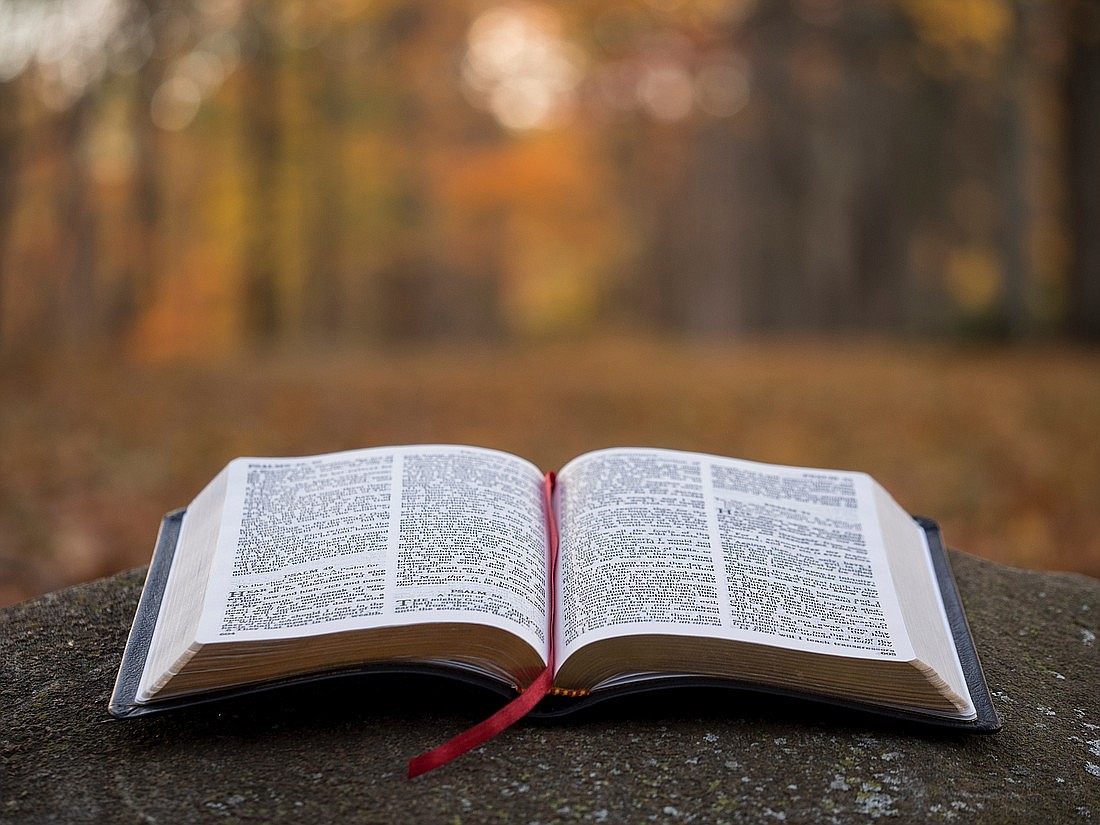
“Just so, your light must shine before others, that they may see your good deeds and glorify your heavenly Father.” — Matthew 5:16
In the Gospel for the Fourth Sunday in Ordinary Time, Matthew weaves together a magnificent summary of the heart of Jesus’ teachings — the Beatitudes. The remainder of Chapter 5 and all of Chapters 6 and 7 will put flesh and blood into these teachings. There, Matthew gathers real-life situations which call for the actual living out of the Beatitudes — really tough stuff like loving our enemies, not judging our neighbors, being faithful to our spouses, fasting and almsgiving. These are teachings that are rooted in the Hebrew scriptures that Jesus knew and lived. And we hear them this Sunday in the First Reading from the prophet Isaiah.
Isaiah is very specific in how to live out these mandates of the covenant. He calls us to share our bread with the hungry, to shelter the oppressed and the homeless, to clothe the naked and to care for one’s kin. These are very personal mandates. The original Hebrew stresses the personal involvement in fulfilling these needs. For example, “share your bread” means to break your bread in two; this is not sharing our surplus, but from our own sustenance. Sheltering the homeless was literally to open your doors to someone without shelter. And sometimes, most difficult, to be available to help those nearest and dearest to us, our kin. Today, we would say how can we have “skin in the game” of caring for our kin and our neighbors? Isaiah goes on to demand that we work to remove oppression, false accusation and malicious speech. This is a real challenge today when we can employ social media to oppress and accuse without recourse.
Isaiah boldly proclaims these demands of the covenant in the name of the LORD — the sacred name for God. This is serious business! However, there are benefits to living this way, besides the good that comes from a loving community. In living like this, we live in light, in healing, and in right relationship with the Holy One, who listens and responds to us. We are promised: “A light will rise for you in the darkness, and the gloom shall become for you like midday.”
In the Gospel, Jesus takes this promise of light even further when he proclaims — you are the light of the world. You are a great beacon in the surrounding darkness, just as a city on a hill would have been a light in the dark countryside of his time. So set your light up high, let it be a great flood light of good deeds that will give glory to your Father in heaven! How do we check the lumen levels of our lives? How do we see if we are a light for others or just a spotlight on ourselves?
Jesus also says that those who live the Beatitudes are like salt which flavors, purifies and preserves food. In Jesus’ day, salt was also used to make dung patties that were burned in communal ovens. These ovens used salt as a catalyst to keep the fire burning so that the bread could be baked for the village. When the salt was spent, it was thrown on the footpaths, “trampled underfoot.” So, salt could lose its usefulness. Was Jesus reminding us that our deeds must continue to give life to the community? How do we check in to see if we are still a catalyst for good? There is no automatic drive in a Christian’s life; we need to live in awareness; we need to stay rooted in Jesus to stay salty and to be light.
When Jesus calls us to be salt and light, he is also reminding us that we ARE both salt and light. He is inviting us to live in the fullness of being salt and light to ourselves and others!

- Chávez allegations show need for Church to hold prominent Catholics to account, say abuse survivors
- Family is where we learn to serve the least among us
- Washington Roundup: DHS nominee clears key hurdle; Gabbard testifies amid Iran war scrutiny; and more
- ‘My heart is filled with love and gratitude,’ says new shepherd of Rochester Diocese
- César Chávez allegations lead to canceled Masses, reassessment of his social justice legacy
- Ecumenical forum features first Catholic Mass celebrated at Museum of the Bible
- Gaudí’s hidden dimension: Visionary Sagrada Familia’s architect was a giant of faith
- Childhood classmates from the United States reunite with Pope Leo
- Pope Leo XIV meets Spanish royals at Vatican, renewing crown’s historic bond with Basilica of St. Mary Major
- Church of the Holy Sepulcher in Jerusalem remains closed
Comments:
You must login to comment.