


December 10, 2025 at 9:52 a.m.
'Are you the one who is to come, or should we look for another?’
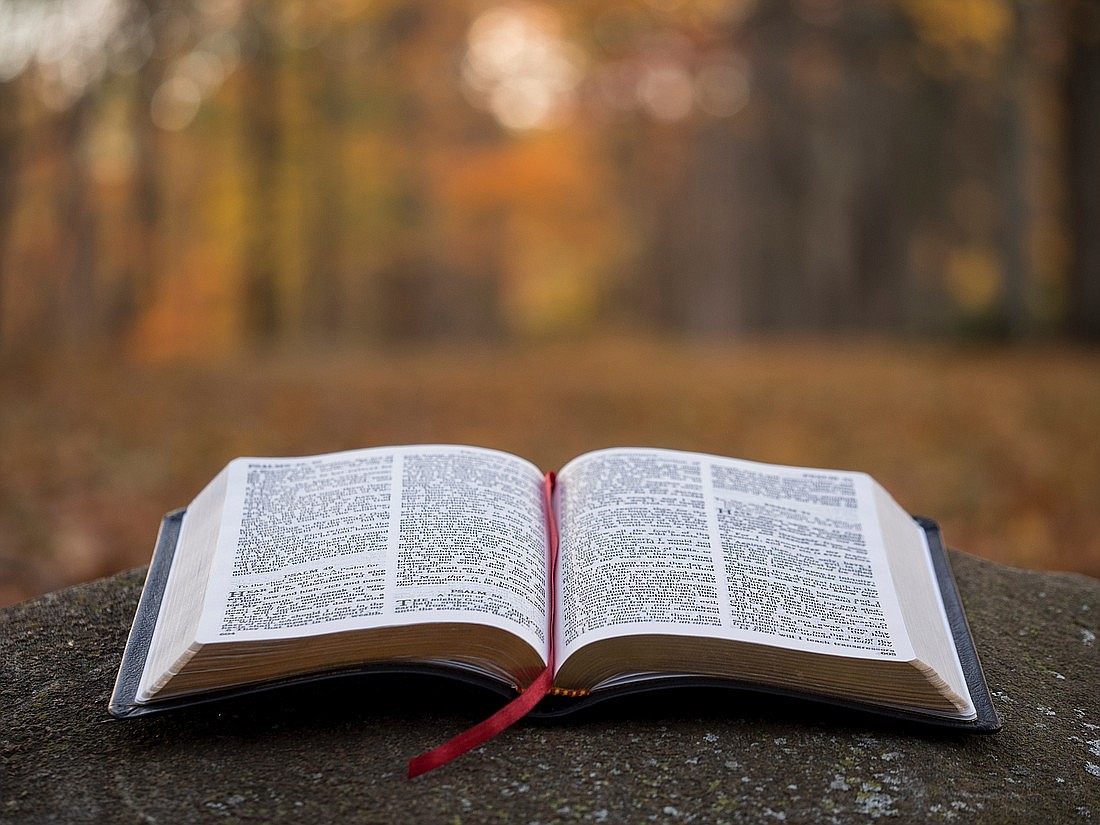
We hear how John the Baptist sent his disciples to ask Jesus, “Are you the one who is to come, or should we look for another?” Jesus said to them in reply, “Go and tell John what you hear and see: The blind regain their sight, the lame walk, lepers are cleansed, and the deaf hear, the dead are raised, and the poor have the good news proclaimed to them.” (Mt. 11:3-5) By Jesus’ answer to John the Baptist’s question, by recalling his own mighty words and deeds, he also recalls the words of the Prophet Isaiah, “Here is your God, he comes with vindication; with divine recompense, he comes to save you. Then will the eyes of the blind be opened, the ears of the deaf be cleared; then the lame will leap like a stag, then the tongue of the mute will sing.” (Is. 11:5-6a). The works of the Messiah of which the Prophet Isaiah spoke are the works of Jesus. Simply put, Jesus is the expected Messiah.
“This is the one about whom it is written: ‘Behold, I am sending my messenger ahead of you; he will prepare your way before you.’ ” — Matthew 11:10
Who and what else were they expecting? Did they not receive what had been foretold by the prophets? Jesus anticipates these questions when he then turns and responds to the crowds, “Jesus began to speak to the crowds about John, ‘What did you go out to the desert to see? A reed swayed by the wind? Then what did you go out to see? Someone dressed in fine clothing? Then why did you go out? To see a prophet? Yes, I tell you, and more than a prophet.’ ” (Mt. 11:7-9) Jesus points to John the Baptist’s own ministry as the precursor to his own public ministry to confirm to the crowds that he is the one the prophets had spoken of and in whom they had been patiently waiting. This response by Jesus is an allusion to the words of the Prophet Isaiah. In particular in the First Reading on the Third Sunday of Advent, Isaiah 35:1-6a,10: “The desert and the parched land will exult; the steppe will rejoice and bloom. They will bloom with abundant flowers and rejoice with joyful song.” Creation will no longer be groaning in pain; it will rejoice with new life.
What are our own expectations as we await the return of Jesus in the fullness of his glory? What should we be anticipating? What is the proper disposition for us as the faithful as we await the Day of the Lord? We can look to the Second Reading from the Letter of Saint James to answer those questions. Our proper disposition as told to in James 5:8 should be one of patient waiting in anticipation of the coming of the Lord: “You too must be patient. Make your hearts firm, because the coming of the Lord is at hand. Do not complain, brothers and sisters, about one another, that you may not be judged. Behold the Judge is standing before the gates.” (James 5:9) The Third Sunday of Advent is known as Gaudette Sunday, from the Latin that means a day of rejoicing. We rejoice because our Lord is near. By our disposition of patiently waiting for the Lord, we are called to bear the sufferings of human life in expectation of the coming of the Lord. Through the disposition of our hearts set firmly on the Lord and the expectation of the Lord coming, we anticipate the rejoicing in the life to come as we joyfully and patiently wait, for “Those whom the Lord has ransomed will return and enter Zion singing crowned with everlasting joy; they will meet with joy and gladness; sorrow and mourning will flee.” (Is. 35:10)

- Pope Leo XIV urges media to show human face of war, not propaganda
- Every Church institution must listen to victims of abuse, Pope Leo XIV says
- Denver’s Regis University names woman as new president in historic first for Jesuit-run school
- Pope’s visit to show that Christianity is asset, not danger, for Algeria, bishop says
- Archbishop Caccia at UN: Surrogacy violates rights, dignity of both women and children
- At 10, ‘Amoris Laetitia’ still shapes landscape for marriage, family ministries
- Vatican releases schedule for Pope Leo XIV’s first Africa trip
- St. Patrick’s Breastplate and the terrors of mid-Lent
- Pope Leo to receive Liberty Medal for promotion of religious liberty, human dignity
- Christians in Holy Land face further despair, suffering, Latin Patriarchate official says
Comments:
You must login to comment.