


September 2, 2026 at 10:29 a.m.
Reconciliation and resolution
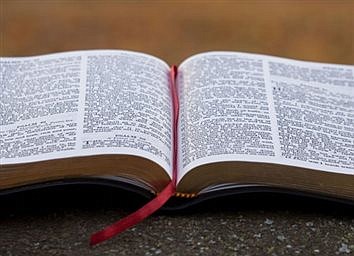
In the Gospel this weekend, Jesus instructs his disciples (so that, of course, includes all of us!) about what we might term the process of resolving disputes and of reconciliation. In this, he offers what one might call a “mature” or life-giving way of dealing with disagreements or hurts. It is the perfect antidote for the occasions when, sadly, we have acted in other ways after being hurt. What, therefore, does Jesus ask us to do?
“For where two or three are gathered together in my name, there am I in the midst of them.” — Matthew 18:20
First, our Lord instructs us to summon up the courage to go and speak directly with the person who has offended us. He asks us to do this, rather than not saying anything and so, inevitably, simmer away in anger. Often, instead of going to the person who has hurt us, we immediately go to others instead. Then we expect them to act as arbiters, or to be a personal judge and jury, or to intervene as referees, or even to be allies in our cause! Jesus then continues … if this first step of speaking to the person is not fruitful, then we are to ask the help of others who can act as witnesses and facilitators (but not to act in the roles mentioned above!). If this does not work, we should involve the wider community and then, and only then, should penalties be involved. In fact, this system has been used over the centuries, both for more personal disputes but also in the Church for more particular issues. For example, the ultimate penalty of “excommunication” is often employed once all else has failed. It is also good to remember that the process of excommunication is not so much about punishing someone as bringing them back to the right path.
Jesus also mentions the matter of “binding and loosing.” You may recall that this phrase also came up a few weeks ago in our Gospel, when St. Peter was appointed as the rock on which Jesus would build his Church. This binding and loosing is very much part of the foundation of our Sacrament of Reconciliation (which is, after all, a wonderful and vital process of reconciliation and healing where we are indeed reconciled with God, with others and with ourselves). For this reason, for our Scripture reflection this weekend, it is well worth refreshing ourselves about this sacrament; not least because almost everyone finds it difficult, or may even not understand why it is so necessary.
We believe that Jesus wished his body, the Church, to continue his mission and ministry of conversion and reconciliation and that he commissioned his apostles and their successors to do just that (John 20:20-23 or Matthew 16:13-19, 18:15-18). The sacrament is therefore a special, unique and privileged moment where we can experience an encounter with Christ, the healer. There is yet more. To paraphrase the Catechism of the Catholic Church (n. 1076), Jesus Christ acts through the sacrament and he gives us pardon and peace, that is the gift of the sacrament and through this gift we can also grow in an honest understanding of who we are. Finally, the sacrament really comes into its own when it becomes part of a life-long project of ongoing conversion, healing, reconciliation and a growing closeness to the Lord.
If we think about it, our experience of reconciliation and of healing is rather like a journey or process (or even an odyssey!) and the sacrament has always reflected this in its very structure. In fact, we may add that our human way of experiencing reconciliation is, in many ways, mirrored in our experience of reconciliation with God, the Church and ourselves and in the structure of how we celebrate the sacrament. We move from reflecting on our words and actions (what is called the examination of conscience) to naming or saying what needs healing (confession). Then we show our sorrow and resolve to amend our life and perhaps to show some token of these (contrition and penance) and we receive forgiveness and healing (absolution).
As everything begins anew after the summer, let us take our Lord’s practical guide to resolving disputes to heart. Perhaps too, this is also a great time to make use of the Sacrament of Reconciliation: to “clean the slate” as it were, ready for the newness that we experience at this time of the year. As one spiritual writer has commented: “(Reconciliation) is a sacrament of liberation, of Easter joy, of praise, of healing hurt memories and restoring healthy relationships, of ongoing conversion, of coming closer to God and of restoring the unity of His family. In it we experience the blessedness of those who praise the Lord for having taken upon Himself sorrow, suffering and death to make us free again.”
- Notre Dame vs. Villanova in Rome: When Catholic loyalties collide, who gets the cheers?
- Who is St. Gregory the Illuminator?
- Pope Leo to offer 12 public Masses in November, including in a Rome cemetery
- Be witnesses of God’s love, nuncio urges Baltimore Catholics in visit to nation’s oldest see
- Ethiopian Orthodox leaders call for justice, protection after 60 Christians killed in attacks
- Montse Alvarado prepares to step into Vatican communications prefect role Nov. 1
- Bishops apologize over ‘manipulated’ White House video of prayer over Trump
- Report: 4 in 10 Catholics have experienced racism
- Washington Letter: Trump meeting with a dozen bishops underscores major policy tensions
- Pope recognizes heroic virtues of 6 Catholics, from missionary bishops to Padre Pio’s spiritual son
Comments:
You must login to comment.