


May 27, 2026 at 10:15 a.m.
The mystery of the Most Holy Trinity
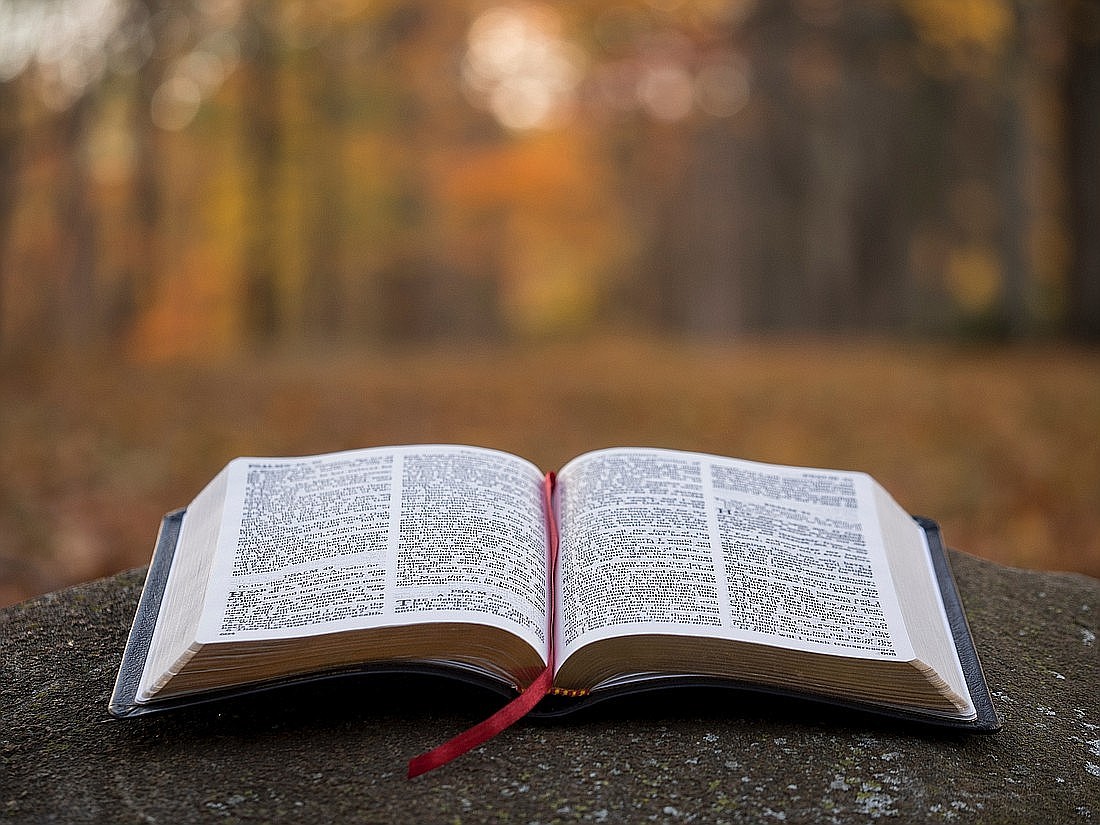
So faith, hope, love remain, these three; but the greatest of these is love. — Cor 13:13
This weekend, we celebrate the Solemnity of the Most Holy Trinity. The Catechism of the Catholic Church reminds us that the Trinity is at the “central mystery of our faith” (n. 234). Our readings and prayers at Mass provide some snapshots and images of this great mystery: of who God is and what God does.
The Trinity is indeed so hard to understand: how can there be one God, yet three persons at the same time? After all, we do not believe in three gods, but then neither do we believe in some sort of one divine pie, cut up into three pieces! Our annual celebration of Trinity Sunday gives us a great opportunity to look again at this central mystery of our faith and to see how crucial and central the Trinity is to our faith. It is certainly not just a matter for a few theologians or philosophers to puzzle over!
We are often reduced to saying that the Trinity is a “mystery” and leave it at that. It is, of course, true that the Trinity is a mystery, but that word “mystery” actually means something or someone known and yet unknown at the same time. So, why is this mystery so important, and what can we say about the Trinity? Perhaps some examples may help us.
The Trinity is ever-present in our lives and in our prayers. What is the first prayer that we learn? It is the sign of the cross, which is really a prayer to the Trinity: “In the name of the Father, and of the Son and of the Holy Spirit …” Listen carefully to our prayers at Mass and you will hear how they are addressed to the Trinity. We often begin those prayers by speaking to the Father (“God”) and finish off with “through our Lord Jesus Christ who lives and reigns with you in the unity of the Holy Spirit …” We baptize someone “in the name of the Father and of the Son and of the Holy Spirit” following Jesus’ command (Matthew 28: 16-20). During the Eucharistic prayer, we ask the Father to send down the Holy Spirit so that the bread and wine may become the Body and Blood of Jesus. In other words, the Trinity is at the very heart of all our prayers and of the sacraments. As one writer puts it, the Trinity provides the “grammar” of all our prayers, rather like the way grammar works in a language to give shape, direction and meaning.
Some spiritual writers have used everyday things to help our understanding. These analogies are not perfect, but they do help us a little. St. Patrick, of course, used the shamrock: three leaves yet making one leaf. Another image is that of water: one substance, yet it exists as steam, liquid or ice. Perhaps the best way to see the Trinity is as a community of love and a relationship of love. So, the Trinity is not a thing, or some sort of theological puzzle, but a real, active, ever-loving, ever-present and personal communion and relationship between Father, Son and Spirit. There is only one God and yet there are three, real persons: a unity and yet a diversity.
We can see this unity, yet diversity, in the missions and work of each person of the Trinity. After all, the names that we have for the three persons are relational names: “Father,” Son,” “Spirit.” So, for example, the Father is creator, the Son is redeemer and the Holy Spirit is sanctifier. Each person has their distinct role and mission and yet they always act as one because they are perfectly one.
Well, perhaps all this is too much, and we still feel mystified by the mystery! What is important in the end is one last thing. The one God, who is Father, Son and Holy Spirit, invites us into this communion of life and love, into this relationship and into this mission. The Trinity then is perhaps not so much about knowing something about the very mystery of God, but rather of being with God and above all of God being with us. It is like being invited into a family; to be part of a relationship and a community. The famous icon of the Trinity by the great icon painter Rublev makes this clear. The table is set with the three persons around it, but there is also an open place for another: that is for all of us. Through prayer, through the sacraments, through acts of love and in many other ways, may we be drawn into the very life of God, the Most Holy Trinity.
- Notre Dame vs. Villanova in Rome: When Catholic loyalties collide, who gets the cheers?
- Who is St. Gregory the Illuminator?
- Pope Leo to offer 12 public Masses in November, including in a Rome cemetery
- Be witnesses of God’s love, nuncio urges Baltimore Catholics in visit to nation’s oldest see
- Ethiopian Orthodox leaders call for justice, protection after 60 Christians killed in attacks
- Montse Alvarado prepares to step into Vatican communications prefect role Nov. 1
- Bishops apologize over ‘manipulated’ White House video of prayer over Trump
- Report: 4 in 10 Catholics have experienced racism
- Washington Letter: Trump meeting with a dozen bishops underscores major policy tensions
- Pope recognizes heroic virtues of 6 Catholics, from missionary bishops to Padre Pio’s spiritual son
Comments:
You must login to comment.