


June 30, 2026 at 3:08 p.m.
The mysteries of the kingdom
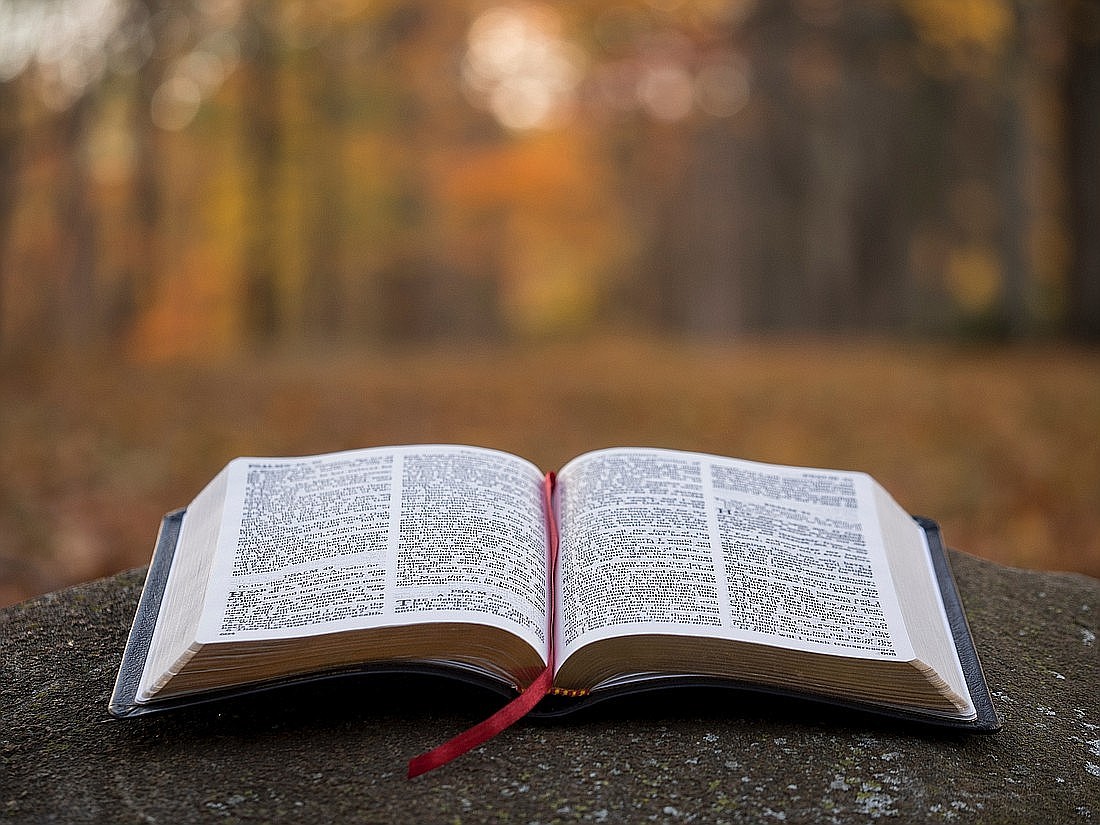
In the opening verse of the Gospel for the Fourteenth Sunday in Ordinary Time (Matthew 11:25-30), Jesus offers a prayer of praise and thanksgiving to the Father. “I give praise to you, Father, Lord of heaven and earth, for although you have hidden these things from the wise and learned, you have revealed them to little ones” (Mt. 11:25). Jesus is not speaking of what has preceded in the Gospel, but rather he is speaking about the mysteries of the kingdom. Those mysteries have been revealed to the sincere and humble heart. The mysteries of the kingdom are hidden from the proud and arrogant. Jesus was speaking about the Pharisees and anyone else who is blinded by their own power, authority and self-importance. Jesus reveals himself as the divine son of the Father who has been given authority to reveal these mysteries to the little ones: “Yes, Father, such has been your gracious will. All things have been handed over to me by my Father” (Mt. 11:26). By the Father’s gracious will, we have been invited into the relationship that the Father and Son share with one another. “No one knows the Son except the Father, and no one knows the Father except the Son and anyone to whom the Son wishes to reveal him” (Mt. 11:27). Through this revelation, the wisdom of God is no longer hidden, but revealed through the Son. The revelation of this relationship between the Father and the Son reveals Jesus’ own divine sonship.
But you are not in the flesh; on the contrary, you are in the spirit, if only the Spirit of God dwells in you. Whoever does not have the Spirit of Christ does not belong to him. — Romans 8:9
The revelation of Jesus’ divine sonship was foretold by the Prophet Zechariah in the First Reading: “Rejoice heartily, O daughter Zion, shout for joy, O daughter Jerusalem! See, your king shall come to you; a just savior is he, meek, and riding on an ass, on a colt, the foal of an ass” (Zech. 9:9). This prophecy further reveals that the Messiah was to be humble and he would ride the traditional mount of princes. Zechariah’s description of the mount of the Messiah revealed the divine kingship of the Messiah. These prophetic words were given as a promise to the little ones, the poor of Israel, as a future hope. That future hope was fulfilled in Jesus’ triumphal entry into Jerusalem, when, “They brought the ass and the colt and Jesus sat upon them” (Mt. 21:7). As the prophecy foretold, the Messiah would enter Jerusalem in humility as the little ones welcomed him with shouts of joy.
Jesus has invited us to enter into the mysteries of the kingdom by way of a new life that promises freedom from struggle: “Come to me, all you who labor and are burdened, and I will give you rest” (Mt. 11:28). We have received that new life through the waters of baptism, for which we are given a share in Jesus’ suffering, death and resurrection. By our sharing in the mystery of salvation, Jesus takes upon himself our sin, our weakness and our suffering. “Take my yoke upon you and learn from me, for I am meek and humble of heart; and you will find rest. For my yoke is easy, and my burden light” (Mt. 11:29-30). Jesus takes upon himself our poverty. “Blessed are the poor in spirit: the kingdom of heaven is theirs” (Mt. 5:1). This verse from the Beatitudes is a reminder that in our spiritual poverty, we come to recognize our need for Jesus in our lives. We are also called to embrace Jesus’ meekness; to be unassuming and undemanding. The mysteries of the kingdom are made known to us by Jesus’ life, death and resurrection: humility, meekness and poverty of spirit.
How are we then able to live out the mysteries of the kingdom that Jesus has revealed? That question is answered by St. Paul in the Second Reading from Romans, “If the Spirit of the one who raised Jesus from the dead dwells in you, the one who raised Christ from the dead will give life to your mortal bodies also.” Through the power of the Holy Spirit, we have been incorporated into the life of the risen Son of the Father. Through our sharing in the divine sonship of Jesus Christ, we acquire the ability to live in the likeness of the Son, who is meek and humble of heart. By living in the likeness of the Son, we rejoice heartily as the crowds who welcomed Jesus triumphally into Jerusalem with shouts of joy, by ourselves shouting, “I will praise your name for ever, my king and my God” (Ps. 145).

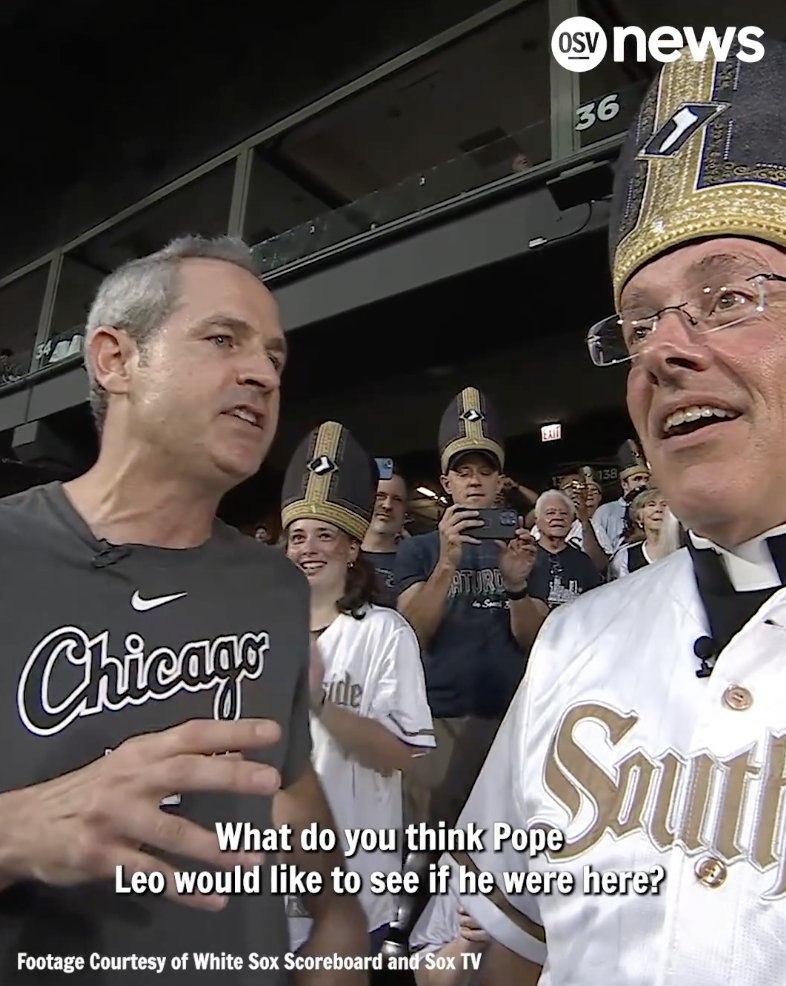
- Notre Dame vs. Villanova in Rome: When Catholic loyalties collide, who gets the cheers?
- Who is St. Gregory the Illuminator?
- Pope Leo to offer 12 public Masses in November, including in a Rome cemetery
- Be witnesses of God’s love, nuncio urges Baltimore Catholics in visit to nation’s oldest see
- Ethiopian Orthodox leaders call for justice, protection after 60 Christians killed in attacks
- Montse Alvarado prepares to step into Vatican communications prefect role Nov. 1
- Bishops apologize over ‘manipulated’ White House video of prayer over Trump
- Report: 4 in 10 Catholics have experienced racism
- Washington Letter: Trump meeting with a dozen bishops underscores major policy tensions
- Pope recognizes heroic virtues of 6 Catholics, from missionary bishops to Padre Pio’s spiritual son
Comments:
You must login to comment.