


July 22, 2026 at 10:41 a.m.
What we treasure is what we consider important!
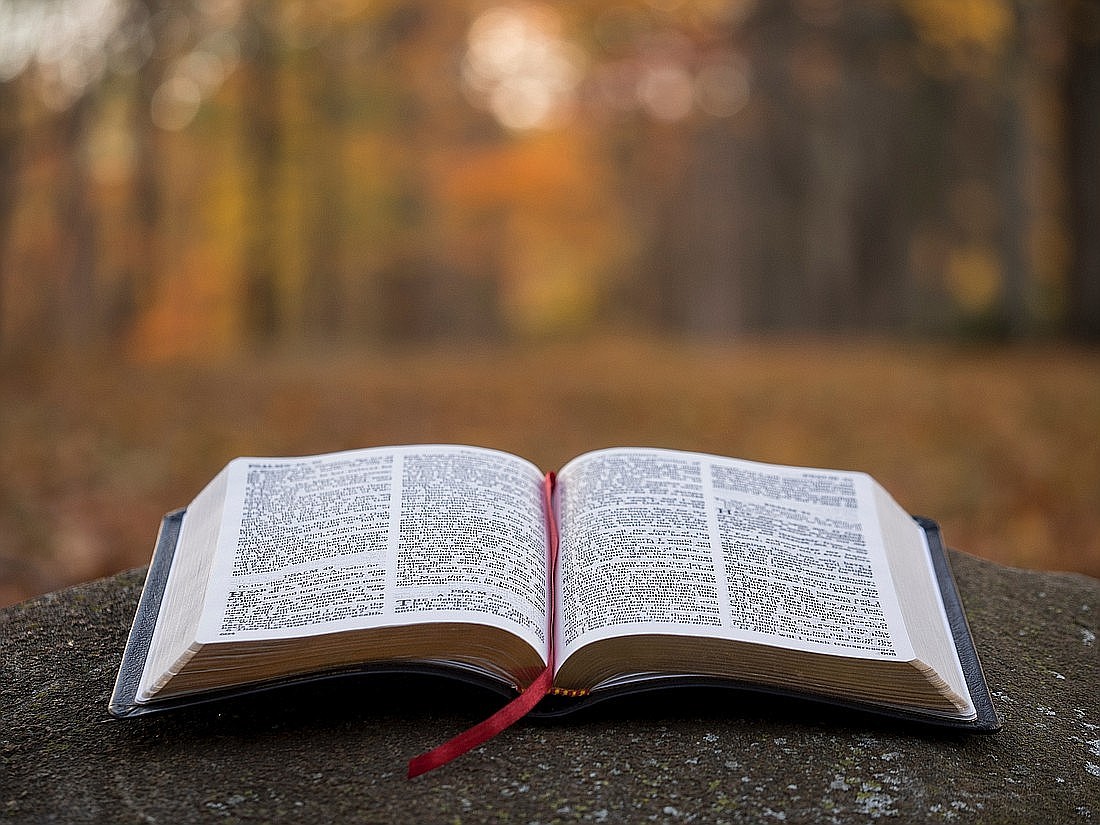
What we treasure is what we value and consider important in this life. This sentence is a paraphrase of a quote from Jesus’ Sermon on the Mount, Matthew 6:21: “For where your treasure is, there also will your heart be.” This direct quote from the Gospel of Matthew challenges us to reflect on those things we treasure in this life and the value those treasures hold for us. Do we treasure that which is temporal, or do we treasure that which is spiritual? The material goods of this world, no matter how necessary they are to our daily lives, should not hold more value than the spiritual goods of heaven. However, the world we live in today seems to challenge us when we place greater value on the treasures that come from heaven than those earthly and material goods.
“The kingdom of heaven is like a treasure buried in a field, which a person finds and hides again, and out of joy goes and sells all that he has and buys that field.” — Matthew 13:44
Catholic social ethics teaches us that we are in the world, but we are not to be of the world. The world and all its goods and treasures are not to hold a greater influence over us than the spiritual goods of heaven. Having had the opportunity to minister directly with the Dicastery for Promoting Integral Human Development during my years in Rome, I have come to appreciate the importance of the Church’s calling to transform the world around us. This requires the faithful to fully participate in the society we live in and to bring about justice and human dignity for all people, while at the same time rejecting cultural values that contradict the Gospel. This can have the effect of us being isolated. As a Christian people, we are called to recognize that we are detached from this world as we move forward as a people of the exodus toward the kingdom of heaven.
This reflects the teaching of St. Ignatius of Antioch, who taught that all Christians should strive for “detachment from the world.” As we live in this world, embracing the call to holiness by living out the good news of the Gospel, we bring transformation to the world we live in as we journey toward the kingdom of heaven.
As Christians, we are called to desire the spiritual homeland of heaven and strive to reject the temporal world around us, which pulls us away from God. We are called to live a life of detachment from this world. Is it possible to live out the Christian virtue of detachment and still live in a secular culture that values the goods of this world over the spiritual homeland of heaven? Psalm 119 provides us with an answer to that question: “I have said, O Lord, that my part is to keep your words. The law of your mouth is to me more precious than thousands of gold and silver pieces.” The psalm praises God for the wisdom of His law that instructs us in how to live a life of holiness. God’s law is fulfilled by the Gospel of the Lord.
The three parables we hear from the Gospel of Matthew 13:44-52 this week liken the kingdom of heaven as something of the highest value; something we should treasure. This treasure awaits all who believe.
This continued theme of the kingdom of heaven that we hear in these three parables calls us to make the kingdom of heaven the primary goal of our lives. The Scriptures remind us that we should desire nothing more than to live in the homeland of the kingdom of heaven.
This theme is heard in the First Reading from the first Book of Kings. “The Lord appeared to Solomon in a dream at night. God said, ask something of me, and I will give it to you” (1 Kg. 3:5). King Solomon could have asked for anything in the world, but he did not ask for material goods, he asked the Lord, “Give your servant, therefore, an understanding heart to judge your people and distinguish right from wrong” (1 Kg. 3:6). Solomon asks for wisdom that will benefit the lives of all the people of his nation. We too are encouraged to seek the wisdom of God in our own lives to realize the kingdom of heaven on Earth as we prepare for the everlasting kingdom of heaven.

- Notre Dame vs. Villanova in Rome: When Catholic loyalties collide, who gets the cheers?
- Who is St. Gregory the Illuminator?
- Pope Leo to offer 12 public Masses in November, including in a Rome cemetery
- Be witnesses of God’s love, nuncio urges Baltimore Catholics in visit to nation’s oldest see
- Ethiopian Orthodox leaders call for justice, protection after 60 Christians killed in attacks
- Montse Alvarado prepares to step into Vatican communications prefect role Nov. 1
- Bishops apologize over ‘manipulated’ White House video of prayer over Trump
- Report: 4 in 10 Catholics have experienced racism
- Washington Letter: Trump meeting with a dozen bishops underscores major policy tensions
- Pope recognizes heroic virtues of 6 Catholics, from missionary bishops to Padre Pio’s spiritual son
Comments:
You must login to comment.