


July 15, 2026 at 10:54 a.m.
The power of patience
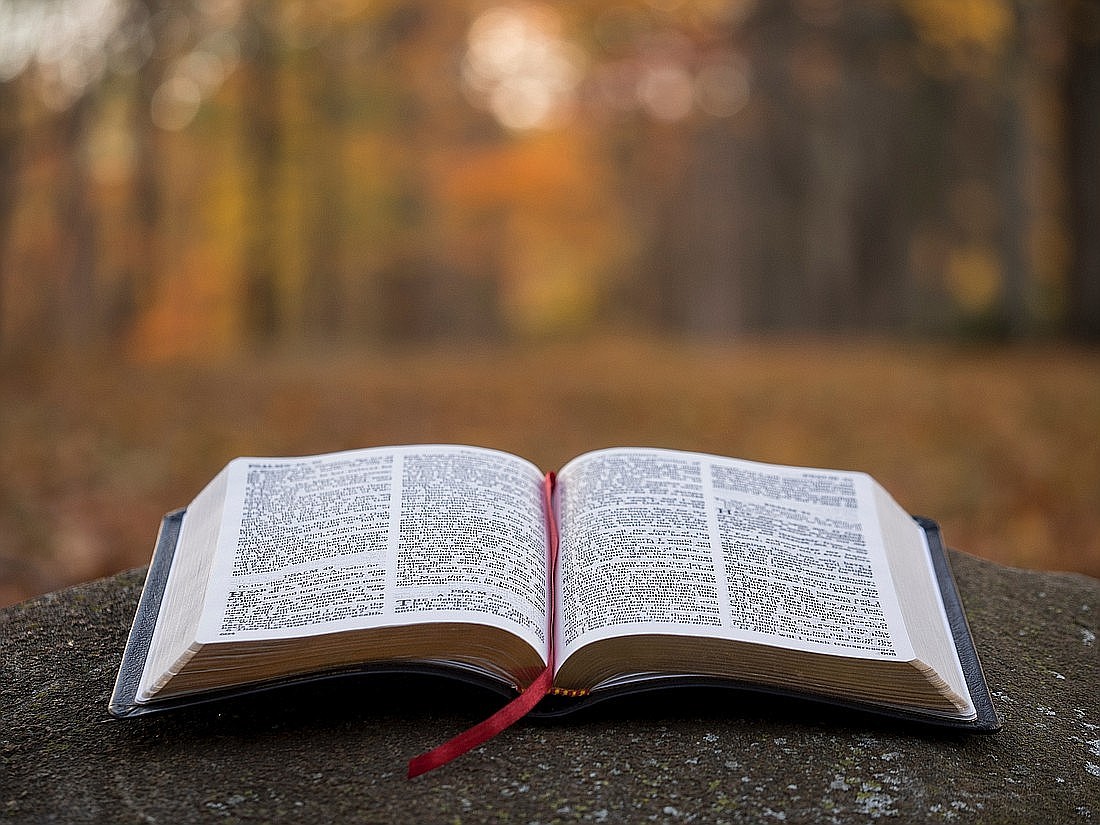
In the same way, the Spirit too comes to the aid of our weakness; for we do not know how to pray as we ought, but the Spirit itself intercedes with inexpressible groanings. — Romans 8:26
“You, O, Lord, are a God merciful and gracious, slow to anger, abounding in kindness and fidelity.” (Ps. 86:15-16)
What does it mean to be patient? The biblical definition of patience is to be a person who is steadfast in their faith and active in living out the virtues of faith, hope and charity. Patience is a fruit of the Holy Spirit, infused in us through the Sacrament of Baptism and thus manifested in us when we receive the Sacrament of Confirmation.
The fruits of the Holy Spirit, in particular that of patience, enable us to remain faithful to the Lord in moments of doubt and fear. Patience enables us to have the capacity to endure the trials and tribulations of life. The virtue of fortitude is then needed in such situations, so that we can remain strong in our faith even in the most difficult moments of life.
Where do we look for the greatest example of patience? We look to our God. His patience to endure our every sin and transgression reveals his justice and mercy.
The Book of Wisdom (12:13,16-19) gives hope to those who are enduring trials and tribulations. This passage was written at a time when the Jewish people, who lived in the Egyptian city of Alexandria about 200 years before the birth of Christ, were being persecuted for their beliefs. They were patient and waited for the coming of the Messiah. These people believed in the resurrection and they believed that God would redeem the people of Israel. They understood that even though God was mighty and powerful, God was also just, patient and merciful in offering forgiveness to sinners.
Through the daily tasks of everyday life, we have the ability to communicate the presence of God to others by exercising the virtue of justice and the fruits of patience and mercy. The three parables offered by Jesus in Matthew (13:24-43) give us three examples of how we can communicate the presence of God’s justice, patience and mercy in everyday life. Each parable tells the story of an ordinary occurrence in daily life.
The Parable of the Weeds in the Field gives us an understanding of God’s relationship to all creation. As told in the parable, God is patient, kind and merciful. The man who sows the seed in the field is the Son of Man. The enemy, who is the devil, came along in the dark of night and sowed the weeds. The slaves who are the workers in the field came and asked the man who sowed the seed, “Do you want us to go and pull them up?” He replied, “No, if you pull up the weeds, you might uproot the wheat along with them. Let them grow together until harvest” (Mt. 13:28-29). Just as the Master (the sower of the seed) allows the wheat and the weeds to grow till maturity, so too does the Lord allow saint and sinner alike to live side by side, in hope that those who are sinners may repent and become saints.
The Parable of the Mustard Seed exhibits how God works through small beginnings to bring about great ends. “The kingdom of heaven is like a mustard seed that a person took and sowed in a field. It is the smallest of all seeds, yet when full-grown, it is the largest of plants. It becomes a large bush, and the birds of the sky come and dwell in its branches” (Matthew 13:31-33). The full-grown bush is the Kingdom of Heaven, and the Church is the branches that give shelter to God’s people. The shelter the Church provides is the call to universal salvation for all peoples and nations of the world.
The final parable Jesus offers is that of the Parable of the Yeast. Like the mustard seed, there is nothing of great significance in a piece of yeast. However, this small bit of yeast is transformative. When added to water and flour, it transforms the dough. The dough doubles and triples in size. In much the same way, faith becomes a leaven for the Kingdom of Heaven. Faith brings about even greater faith in others, transforming the Kingdom of Heaven on Earth in scope and size.
Each of these parables is interrelated; each requires patience, mercy and endurance. Patience and mercy in waiting to see if a weed can become a sprig of wheat. Patience and endurance in waiting to see if a seed as small as a mustard seed can grow into a transforming presence in the world. And as the faithful, we must have the fortitude to become a leaven for the Church, which is the presence of the Kingdom of Heaven on Earth, guided by the Holy Spirit.



- Notre Dame vs. Villanova in Rome: When Catholic loyalties collide, who gets the cheers?
- Who is St. Gregory the Illuminator?
- Pope Leo to offer 12 public Masses in November, including in a Rome cemetery
- Be witnesses of God’s love, nuncio urges Baltimore Catholics in visit to nation’s oldest see
- Ethiopian Orthodox leaders call for justice, protection after 60 Christians killed in attacks
- Montse Alvarado prepares to step into Vatican communications prefect role Nov. 1
- Bishops apologize over ‘manipulated’ White House video of prayer over Trump
- Report: 4 in 10 Catholics have experienced racism
- Washington Letter: Trump meeting with a dozen bishops underscores major policy tensions
- Pope recognizes heroic virtues of 6 Catholics, from missionary bishops to Padre Pio’s spiritual son
Comments:
You must login to comment.