


February 18, 2026 at 9:48 a.m.
THE MYSTERY OF SACRIFICE
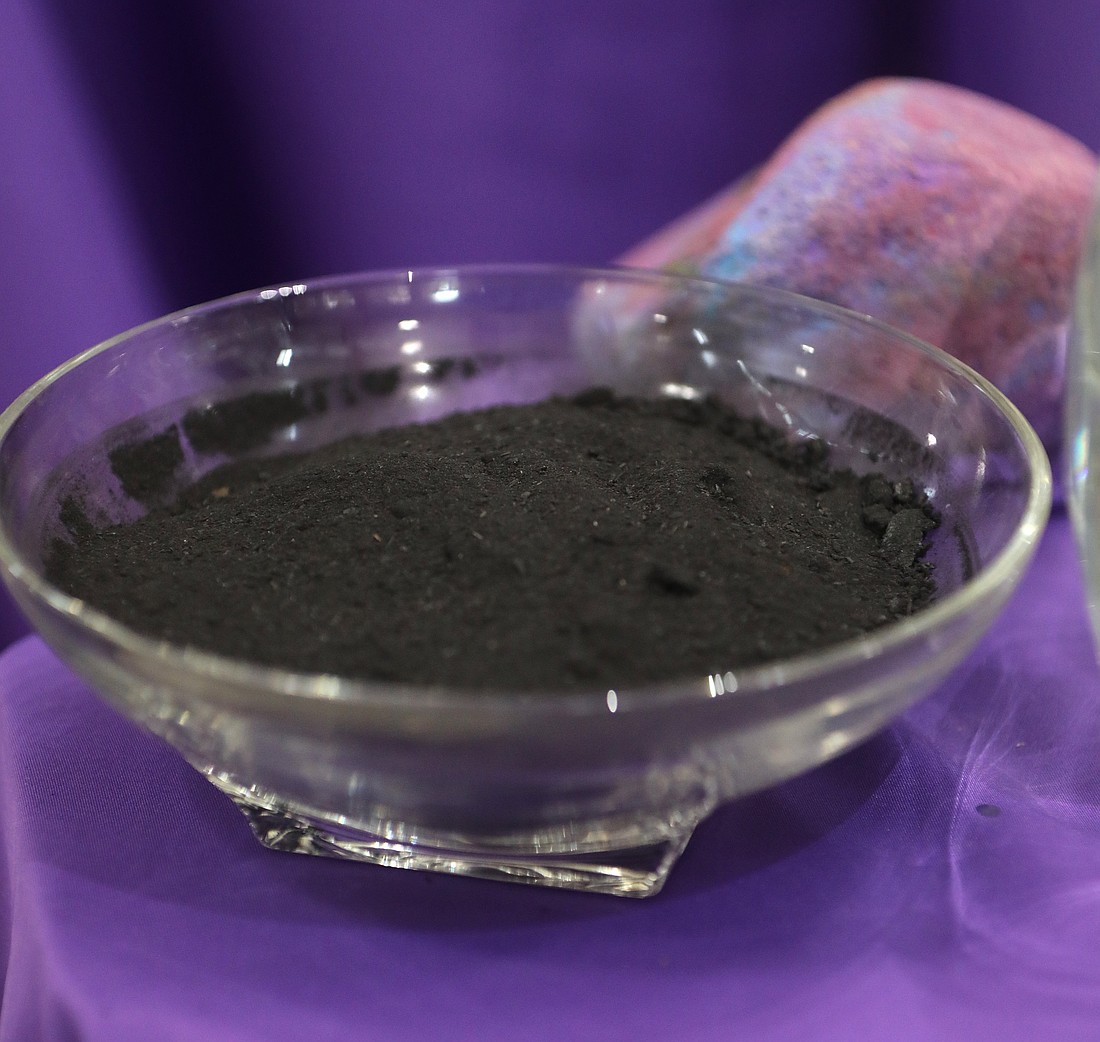
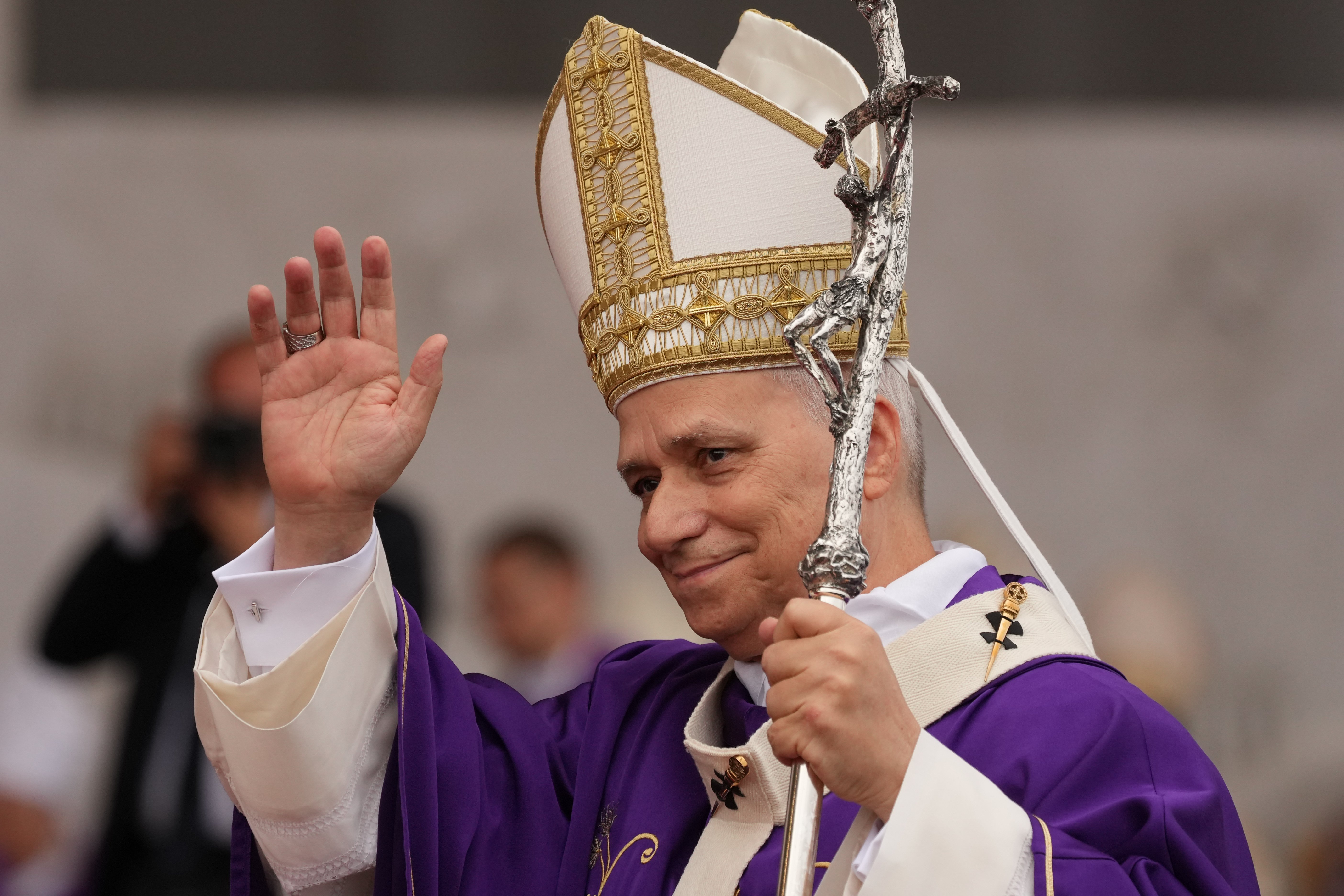
Lent came fast this year, it seems. All of a sudden it is Ash Wednesday, and God is knocking on my door asking for my sacrifice.
The forty days of Lent echo the forty days Our Lord spent in the desert, fasting and facing temptation (Matthew 4:1-11). There, Jesus shows us that sacrifice is not punishment but preparation — stripping away what distracts so we can hear the Father's voice more clearly. On Ash Wednesday, as we receive the ashes, the words “Repent and believe in the Gospel” or “Remember you are dust, and to dust you shall return” call us to this same path. The Church, in her wisdom, gives us three pillars: prayer, fasting and almsgiving. Fasting — our “subtracting” — creates space in our hearts and bodies for God to fill. Lent allows us to go deeper into the mystery of sacrifice by choosing to forego something we enjoy for forty days.
I know there are a lot of pious people preaching about “adding” and not “subtracting” in Lent — for example, adding more prayer time to our days or service to others. This is wonderful; I encourage this practice. But I also think we should not do that without the usual giving up of something — and it should be a challenging sacrifice.
When I was a pastor, I always asked the children at the Sunday Mass before Ash Wednesday to pick what I should give up for Lent. Once this happened in my first year, they started to prepare. That first year, the suggestions started innocently enough: “chocolate” and “video games.” Then one kid yelled out, “Coffee!” and my eyes widened. They all focused on that, so I gave up coffee — which was appropriately hard for me. They tried to make my eyes widen each year after that. Even children recognize that sacrifice should not be easy. In that way, every time you reach for the coffee — or whatever else you have given up — it irritates you, and in that small irritation, we practice the virtue of self-denial and sacrifice. Those children taught me a lesson I’ve carried ever since: true sacrifice must pinch a little, or it doesn’t form us.
As adults, we face bigger temptations — perhaps not just coffee, but scrolling endlessly on devices, nursing grudges or prioritizing comfort over charity. Each time we resist, we practice detachment. This irritation becomes a school of virtue: patience when the craving hits, trust when we feel the void, and ultimately, freedom from what once mastered us. I’ve seen this in so many lives during my years as a priest and now as bishop: the couple who gives up arguing harshly for Lent and finds deeper peace; the professional who fasts from work emails on Sundays to be truly present to family. These aren’t grand gestures, but they mirror Christ’s self-emptying (kenosis) in Philippians 2:7.
Being a Catholic brings me — and it will bring you — much joy and peace, but being a Catholic means to also be sacrificial. Study the lives of the saints, and you will see that each one sacrificed of themselves to glorify God. Take St. Thérèse of Lisieux, the Little Flower: she offered tiny, hidden sacrifices — a smile when she felt irritable, bearing others’ faults without complaint — with immense love. Her “little way” shows us that sacrifice need not be dramatic to be profound; offered with love, even the smallest acts unite us to Christ’s Passion. Or consider St. Teresa of Calcutta, who saw every act of service to the dying as sharing in Christ’s thirst on the Cross. Their joy came not from earthly success but from union with the Crucified One.
The Church does not preach that your sacrifice will earn you earthly reward. The “Prosperity Gospel” preached by some other Christian traditions — where sacrifice is rewarded by earthly wealth and benefits — is not Catholic theology. In our culture of instant gratification — where algorithms feed us comfort and “self-care” is often code for self-indulgence — Catholic sacrifice stands out as radical freedom. We don’t seek prosperity here below; we seek the pearl of great price (Matthew 13:46). We have never been promised peace and prosperity as the world defines it; rather, we have been promised Heaven, which is so much better. Next to eternity, our tiny lives on earth are smaller than a drop of water in the vast ocean. I am aiming for the greater prize with every breath I take, and learning to be sacrificial is part of that.
This Lent, I invite you: ask the Holy Spirit to show you one thing to set aside that truly costs you, and one thing to add that draws you closer to Christ — perhaps a daily visit to the Blessed Sacrament or an act of kindness each day. Bring it all to the altar at Mass, where Christ’s perfect sacrifice becomes our own. Sacrifice isn’t the end; it’s the road to Easter joy, to resurrection life. In these forty days, let us walk together toward the greater prize: eternal communion with God. May Our Lady, who stood at the foot of the Cross, accompany us. And may the peace of Christ, won through His sacrifice, fill your hearts.
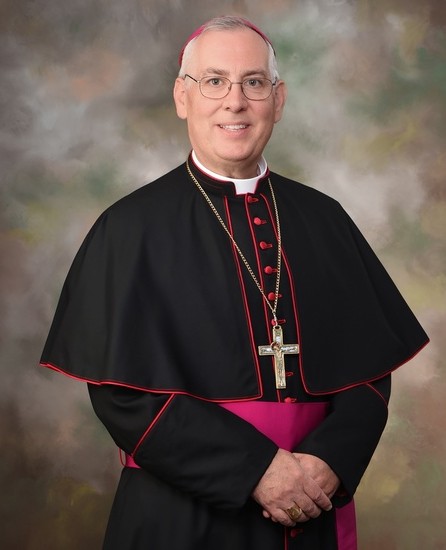
+ Mark O’Connell
Bishop of Albany
- BREAKING: Trump backs down from threat to annihilate Iran condemned by Catholic leaders
- Experts: Trump threat to wipe out Iran’s civilization violates international law, Christian ethics
- ‘We need more saints’: Center helps to advance canonization causes
- Pope sends Easter message to displaced Lebanese Christians living ‘in dramatic circumstances’
- Pope Leo urges citizens to call on their leaders to reject war after Trump’s ‘unacceptable’ Iran threat
- Chicago group’s Easter Triduum visits bring comfort of the Eucharist to ICE detainees
- In a time of war, Catholic parish’s interfaith peace meal celebrates ‘our oneness in faith’
- US bishops’ leader rebukes Trump after he threatens Iran’s ‘whole civilization will die tonight’
- ‘Miracle Doctor’ of Lourdes retires after 17 years, insisting miracles aren’t his job
- Will Meta and YouTube’s youth harm verdict be ‘tobacco industry moment’ for Big Tech?
Comments:
You must login to comment.