


April 15, 2026 at 9:50 a.m.
The Third Sunday of Easter
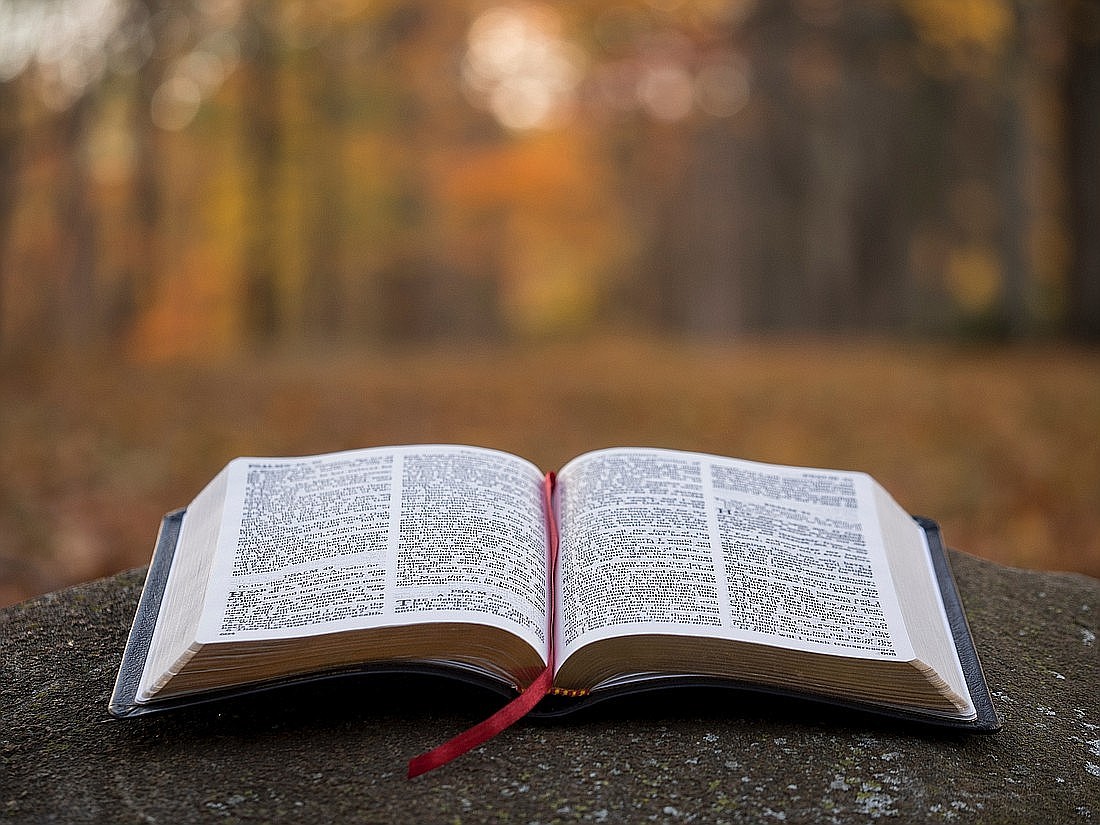
So they set out at once and returned to Jerusalem, where they found gathered together the eleven and those with them who were saying, “The Lord has truly been raised and has appeared to Simon!” — Luke 13:33-34
On this Third Sunday of Easter, the Church places before us one of the most beautiful and mysterious encounters in all of Scripture — the story of the disciples on the road to Emmaus. It is a story of sorrow turned to joy, of blindness turned to sight, of despair transfigured into hope. It is not only their story; it is our own.
Every Eucharist is an Emmaus road. Every believer is called to this same journey — from confusion to clarity, from discouragement to faith, from absence to presence.
The two disciples are walking away from Jerusalem — away from the place of the Passion, away from the empty tomb, away from the hope they had once carried. Their words echo with heartbreak: “We were hoping that He would be the one to redeem Israel” (Lk 24:21).
That phrase — “We were hoping” — is the sound of disappointment. It is the ache of every human heart that has felt God to be silent, or love to be lost, or meaning to have vanished.
Yet even as they walk away, Christ Himself draws near. The Risen Lord accompanies them in their confusion, though their eyes are “prevented from recognizing Him” (Lk 24:16). He does not begin with condemnation. He begins with presence.
Christ listens first. Then He speaks. “What are you discussing as you walk along?” (Lk 24:17). This is the tenderness of divine pedagogy — to draw the human heart out of itself, to awaken desire, to prepare it for revelation.
Then, beginning with Moses and all the prophets, “He interpreted to them in all the Scriptures the things concerning Himself” (Lk 24:27). The divine interpreter opens the Word of God, revealing that the path of the Messiah — suffering, death and glory — is not failure but fulfillment. The Cross is not erased; it is explained.
The disciples’ hearts begin to burn — not because their problems vanish, but because their minds are illumined by truth and their hearts are inflamed by love.
When they reach Emmaus, they beg Him: “Stay with us, for it is nearly evening” (Lk 24:29). And at the table, He takes the bread, blesses it, breaks it and gives it to them. “Then their eyes were opened and they recognized Him” (Lk 24:31).
This is the Eucharistic climax — the same fourfold action as at the Last Supper: He took, blessed, broke and gave. Recognition dawns at the breaking of the bread. What had been spoken in Word is now made visible in Sacrament.
The risen Christ is not a memory — He is present, alive and given. At that moment, He vanishes, not because He is gone, but because He remains in a new way: sacramentally, mystically, in the Eucharist of the Church.
Once they recognize Him, the disciples do not remain in Emmaus. “They set out at once and returned to Jerusalem” (Lk 24:33). Their despair is replaced by mission. The road they once traveled in defeat becomes the road of proclamation. They return to the place they had fled, bearing the joyful witness: “The Lord has truly been raised!” (Lk 24:34).
This is the pattern of Christian life: Word, Sacrament and Mission — or more simply, encounter, communion and witness. The heart that has burned with the Word and been nourished by the Bread cannot remain still; it must go forth.
This Gospel is not only the story of two disciples — it is the form of every Eucharist and the rhythm of every believer’s life. In the Liturgy of the Word, Christ opens the Scriptures and causes our hearts to burn. In the Liturgy of the Eucharist, He breaks the Bread and opens our eyes. And in the sending forth, He commands us to proclaim what we have seen and heard: “Go, announce the Gospel of the Lord.”
How often have we walked in our own confusion, speaking of disappointments, failing to recognize the One who walks beside us? Yet Christ never ceases to draw near. He enters our sorrow not as a stranger but as our Savior. He sets our hearts ablaze with the fire of His truth, and He makes Himself known in the breaking of the Bread.
The miracle of Easter is this: that Christ walks with us even when we are walking the wrong way — and by love, not by force, He turns us around.
“Were not our hearts burning within us?” Let that question accompany us this week. Let us return often to the Word, to the Breaking of the Bread, to the quiet companionship of Christ in prayer. Let our hearts burn again with faith and love, that we too might rise, return and proclaim:
“The Lord has truly been raised! Alleluia!”

- Notre Dame vs. Villanova in Rome: When Catholic loyalties collide, who gets the cheers?
- Who is St. Gregory the Illuminator?
- Pope Leo to offer 12 public Masses in November, including in a Rome cemetery
- Be witnesses of God’s love, nuncio urges Baltimore Catholics in visit to nation’s oldest see
- Ethiopian Orthodox leaders call for justice, protection after 60 Christians killed in attacks
- Montse Alvarado prepares to step into Vatican communications prefect role Nov. 1
- Bishops apologize over ‘manipulated’ White House video of prayer over Trump
- Report: 4 in 10 Catholics have experienced racism
- Washington Letter: Trump meeting with a dozen bishops underscores major policy tensions
- Pope recognizes heroic virtues of 6 Catholics, from missionary bishops to Padre Pio’s spiritual son
Comments:
You must login to comment.