


June 26, 2025 at 12:22 p.m.
PRO-LIFE CHAIR: 'ABORTION IS NOT HEALTH CARE'
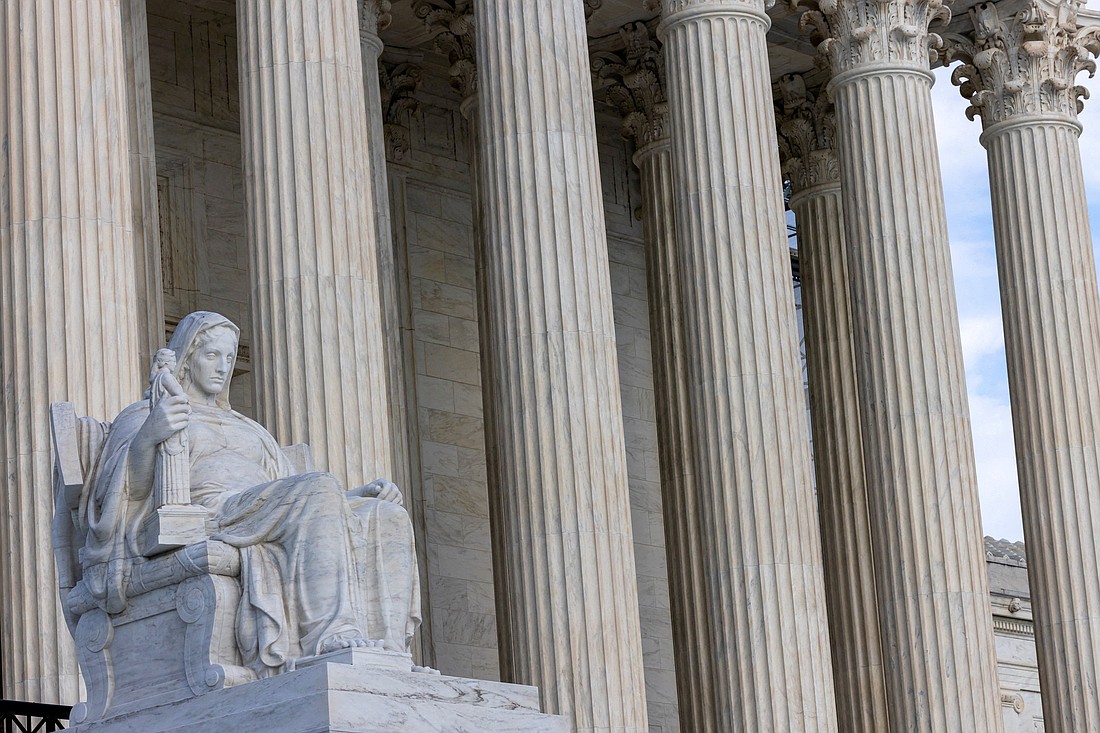
WASHINGTON (OSV News) -- The Supreme Court ruled 6-3 on June 26 that there is not a private right to bring a lawsuit challenging South Carolina's decision to end Planned Parenthood's participation in the state's Medicaid program. The ruling will likely allow other states to remove Planned Parenthood from their Medicaid programs.
Federal law generally prohibits the use of Medicaid funds for abortion. Supporters of allowing Planned Parenthood to receive Medicaid funds point to that group's involvement in cancer screening and prevention services -- such as pap tests and HPV vaccinations -- but critics argue the funds are fungible and could be used to facilitate abortion.
Efforts to strip Planned Parenthood of these or other taxpayer funds are sometimes called "defunding."
The case concerned a 2018 executive order signed by Gov. Henry McMaster, R-S.C., stripping two Planned Parenthood clinics in the state of Medicaid funds, a federal program for health care for people with low incomes that is administered by the states.
In response, a Planned Parenthood affiliate in South Carolina and its Medicaid patient, Julie Edwards, argued that any patients eligible for Medicaid should be able to obtain health care from any qualified provider.
That challenge prompted a key question: whether or not Medicaid recipients have the ability to sue to maintain their chosen provider. Writing for the majority, Justice Neil Gorsuch said that they do not.
"Medicaid offers States 'a bargain,'" Gorsuch argued, adding, "In return for federal funds, States agree 'to spend them in accordance with congressionally imposed conditions.'"
In a dissent, Justice Ketanji Brown Jackson argued the court's majority ruling was "stymying one of the country's great civil rights laws" the Reconstruction-era Civil Rights Act of 1871.
"In this latest chapter, South Carolina urges our Court to adopt a narrow and ahistorical reading of the 1871 Act's first section," she argued, adding, "That venerable provision permits any citizen to obtain redress in federal court for 'the deprivation of any rights, privileges, or immunities secured by the Constitution and laws' of the United States. South Carolina asks us to hollow out that provision so that the State can evade liability for violating the rights of its Medicaid recipients to choose their own doctors. The Court abides South Carolina's request. I would not. For that reason, I respectfully dissent."
The Catholic Church teaches that all human life is sacred from conception to natural death, and as such, opposes direct abortion.
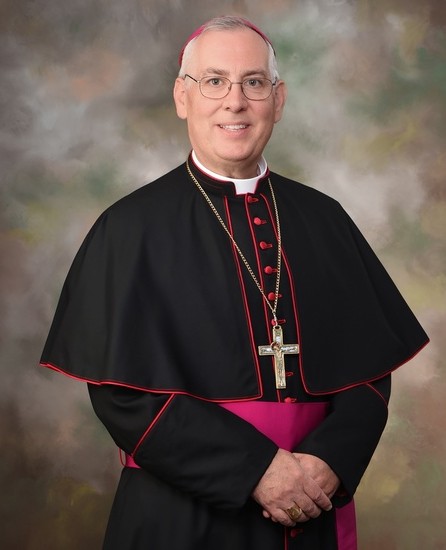
Bishop Daniel E. Thomas of Toledo, Ohio, chairman of the U.S. Conference of Catholic Bishops' Committee on Pro-Life Activities, said in a statement, "South Carolina was right to deny Planned Parenthood taxpayer dollars. A group dedicated to ending children's lives deserves no public support."
"Abortion is not health care," Bishop Thomas added, "and lives will be saved because South Carolina has chosen to not fund clinics that pretend it is. Publicly funded programs like Medicaid should only support authentic, life-affirming options for mothers and children in need."
Katie Daniel, director of legal affairs and policy counsel for Susan B. Anthony Pro-Life America, celebrated the ruling in a statement, arguing, "By rejecting Planned Parenthood's lawfare, the Court not only saves countless unborn babies from a violent death and their mothers from dangerously shoddy 'care,' it also protects Medicaid from exposure to thousands of lawsuits from unqualified providers that would jeopardize the entire program."
"Pro-life Republican leaders are eliminating government waste and prioritizing Medicaid for those who need it most -- women, children, the poor, people with disabilities," Daniel said. "Planned Parenthood was rightly disqualified. Multi-billion-dollar abortion businesses are not entitled to an unending money grab that forces taxpayers to fund America's #1 cause of death: abortion."
The ruling came just after the third anniversary of the high court's ruling in Dobbs v. Jackson Women's Health Organization decision, which was issued June 24, 2022.
Kate Scanlon is a national reporter for OSV News covering Washington. Follow her on X @kgscanlon.



- Alberta rejects separation in referendum, but ‘road to healing will be a long one’
- Archbishop Coakley: Botched execution, proposed livestream reveal ‘inhumanity’ of death penalty
- Most Catholic health institutions in Illinois temporarily protected from assisted suicide law
- Vatican’s doctrine office publishes ‘Venite ad Me’ on passing on the faith amid ‘epochal change’
- Meeting US Jewish leaders, pope warns differences must not fuel prejudice
- Notre Dame welcomes Banana Ball — and a story of perseverance
- 48 years after installation, St. John Paul II provides moral foundation for today’s tech race
- Pope invites youth to bring wounds, dreams to Seoul as WYD registration opens
- Haitian Catholics in Philly mark 50 years of faith, despite immigration crackdown
- Archbishop ‘grateful, honored’ Indianapolis chosen to host 2029 National Eucharistic Congress
Comments:
You must login to comment.