


December 3, 2025 at 12:28 p.m.
|
Updated January 12, 2026 at 3:14 p.m.
'WHEN I SAY THAT I'M A HAPPY BISHOP, I REALLY AM'
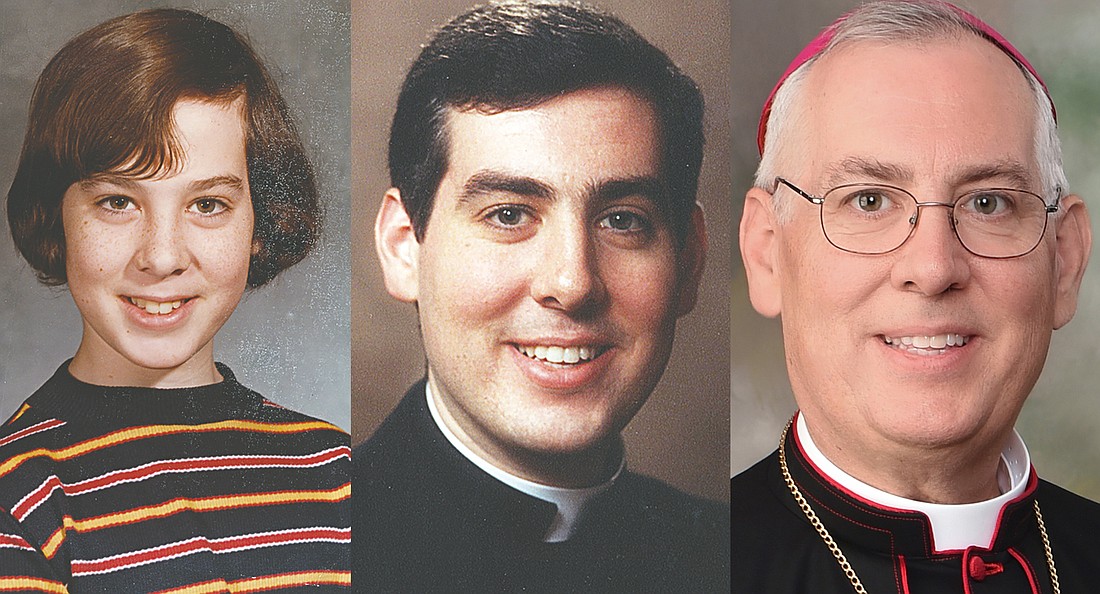
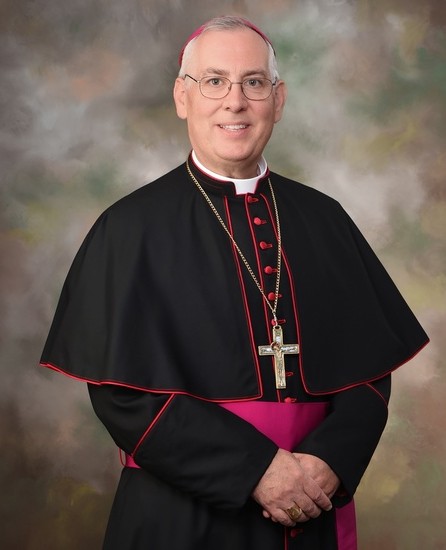
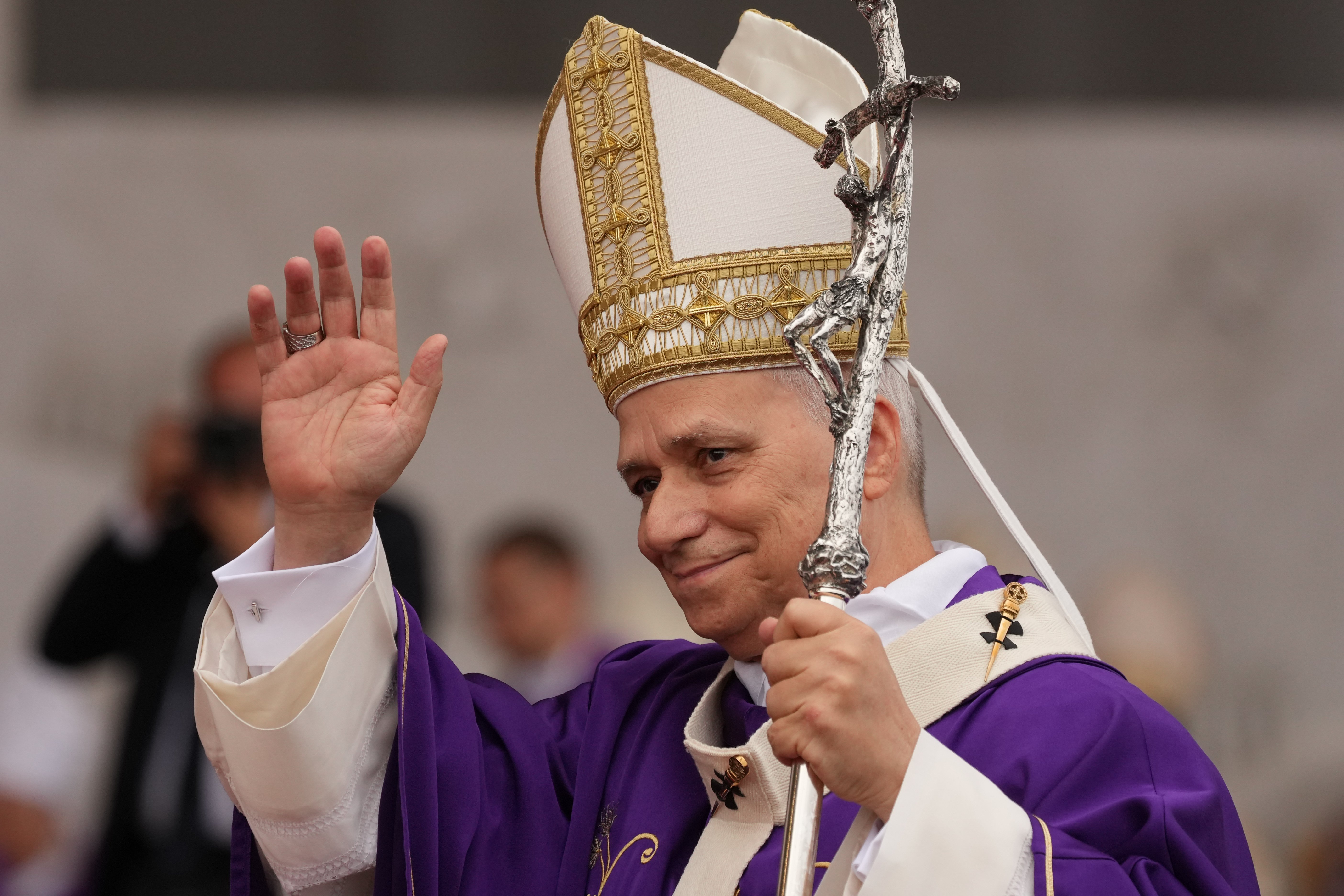
Bishop Mark W. O’Connell was named the 11th Bishop of Albany on Oct. 20 of this year, and he will succeed Bishop Edward B. Scharfenberger, who has been Bishop of Albany since 2014. A little more than a week after the big announcement, Bishop Mark — who will be installed as the 11th Bishop of Albany on Dec. 5 — sat down with Mike Matvey of The Evangelist to talk about his life, his family, his calling as a priest and his thoughts on being the new shepherd of the Diocese of Albany in this exclusive, candid interview.
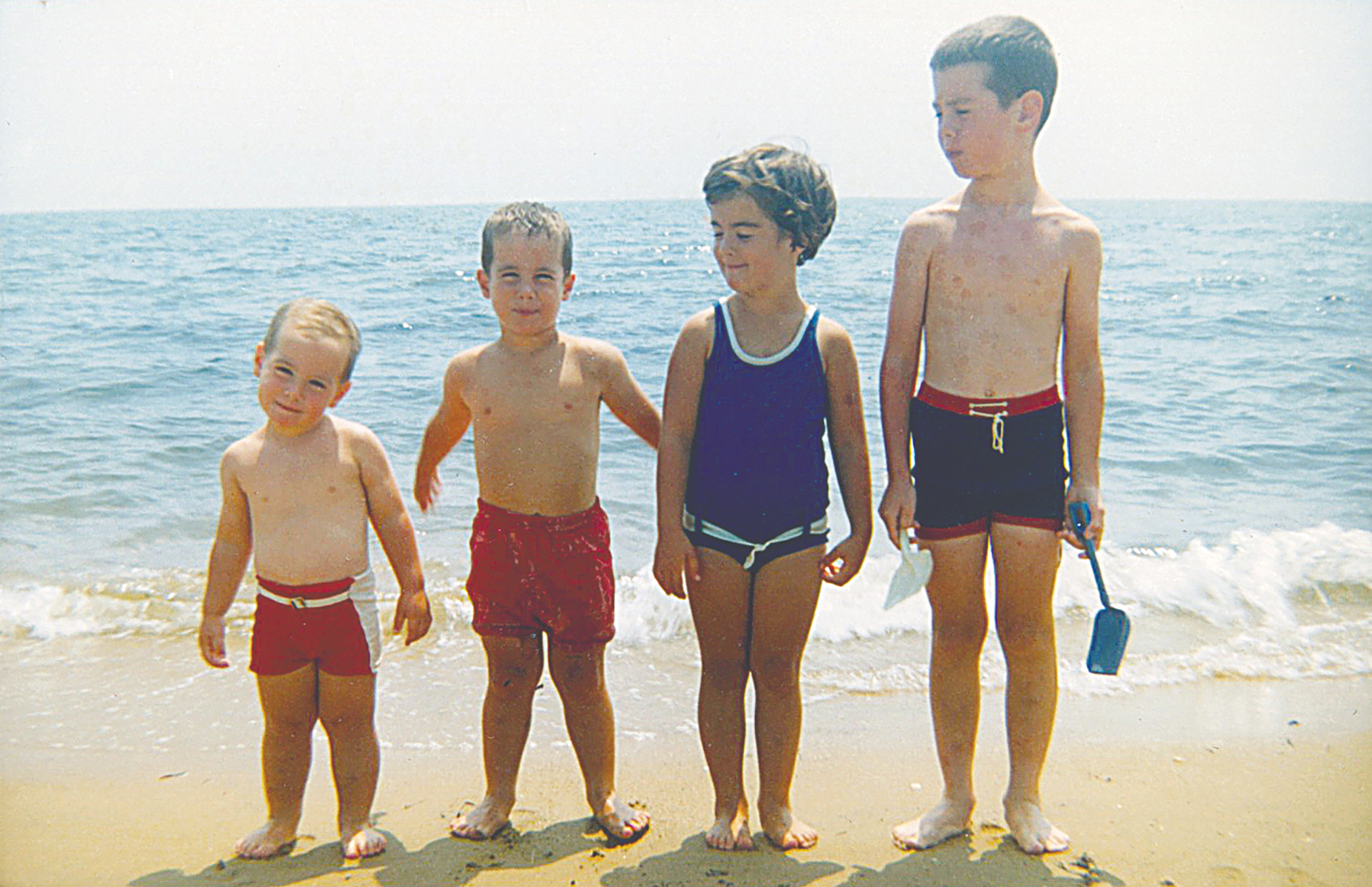
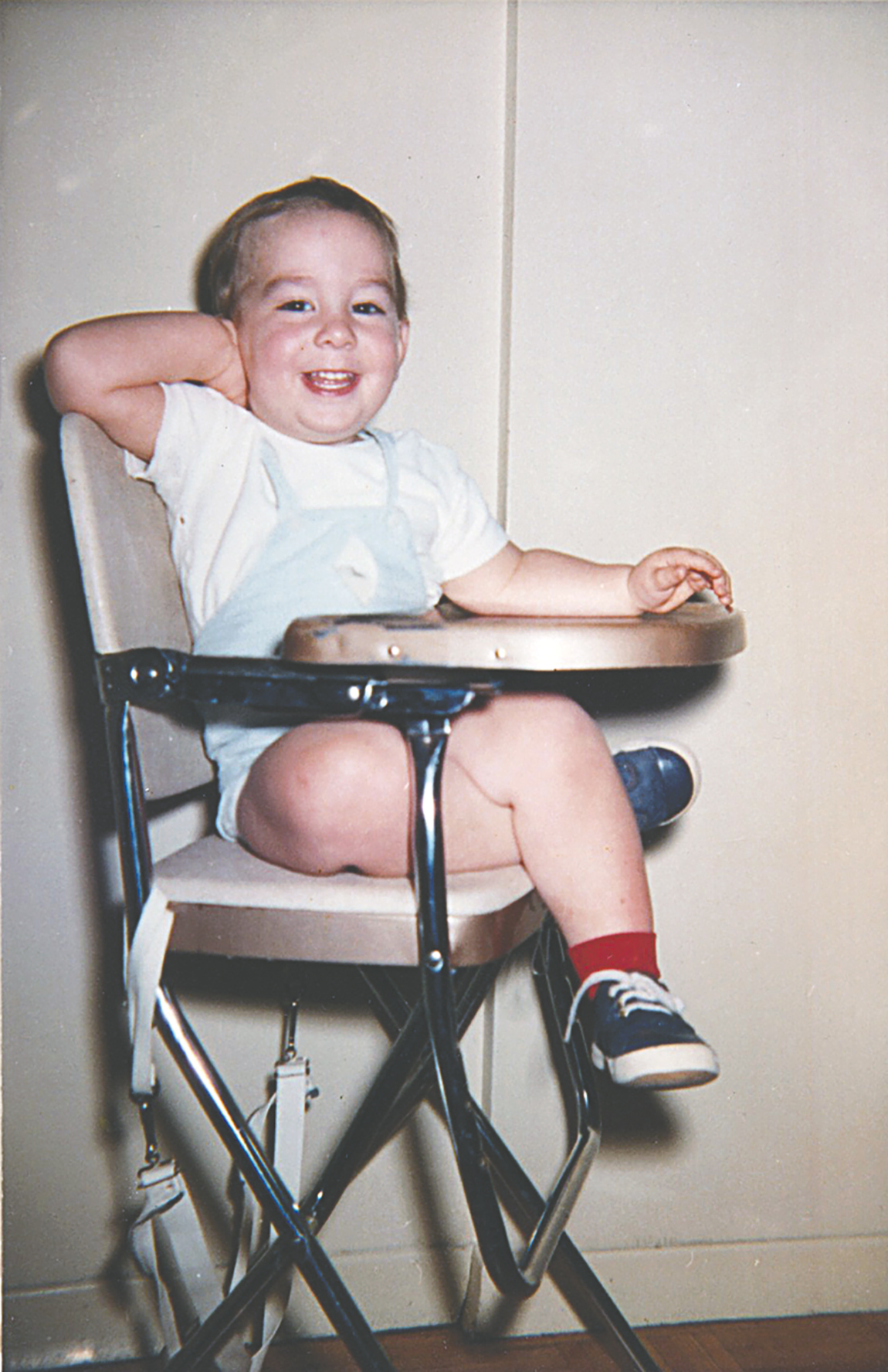
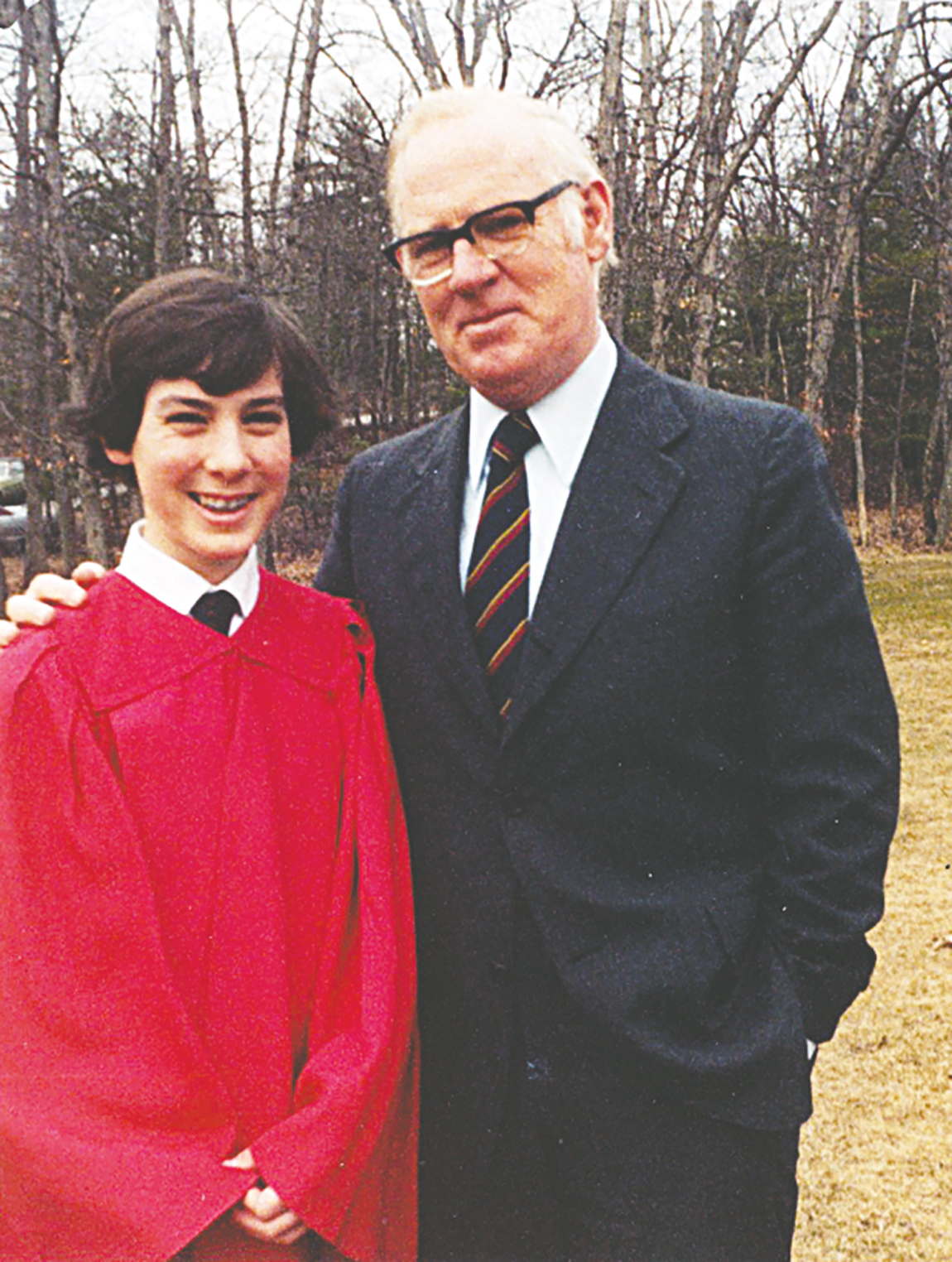
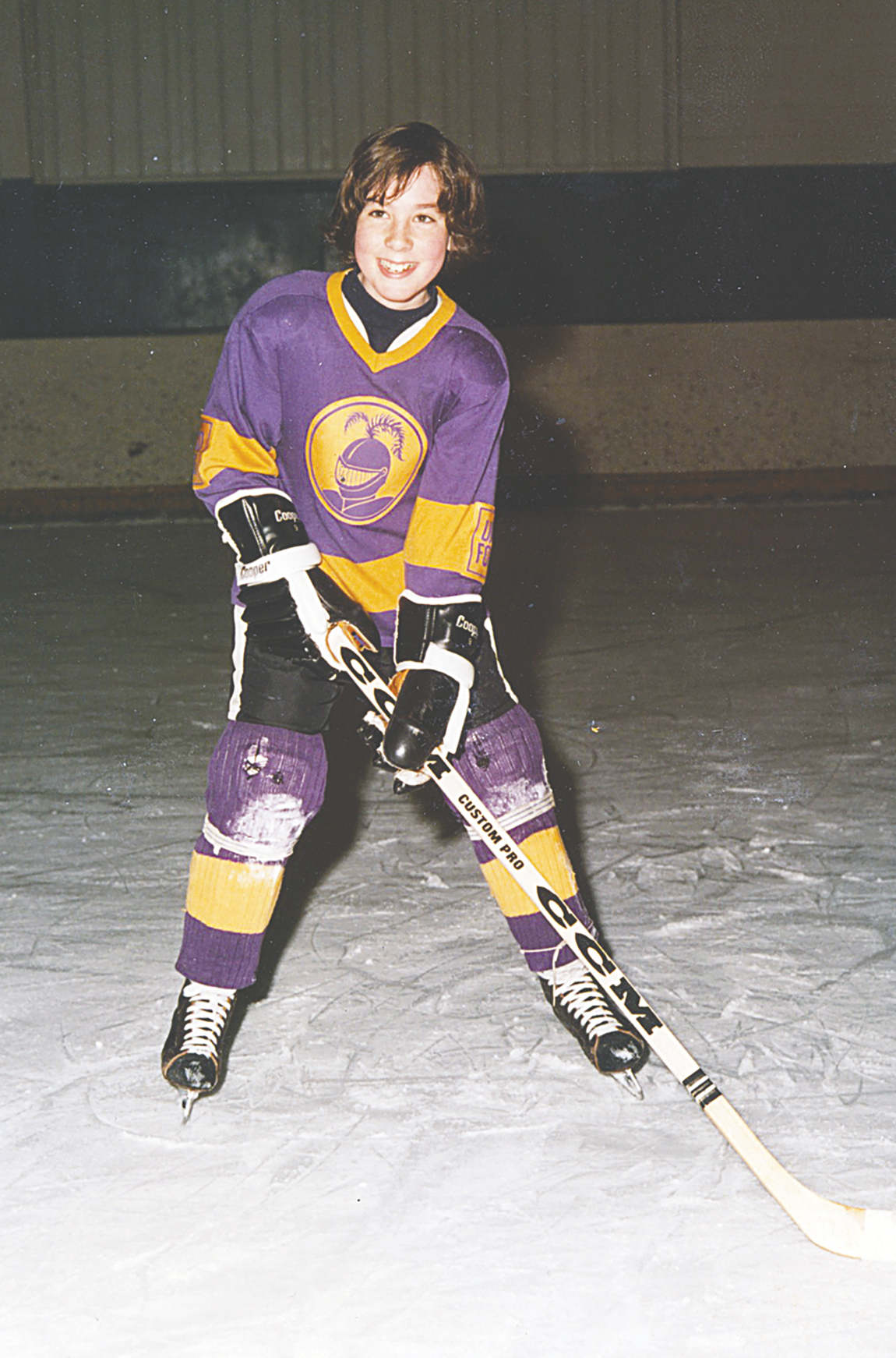
Bishop Mark O’Connell is shown in his younger years: at the beach with his brothers and sisters; and in the next three photos: lounging in his high chair and at his confirmation with his father, Thomas, and hitting the ice. (Photos courtesy The Pilot, Archdiocese of Boston)
TE: What was your upbringing like in Toronto? What do you remember most about it?
BM: When people ask me about Toronto, they say do you know this neighborhood or that neighborhood? And I say, I knew one neighborhood, which was Willowdale, Ontario, which was much smaller then than it is now. The section of the city which was North York has grown and engulfed it. Saint Gabriel’s School was at the end of the street, the church was walking distance. I grew up in that time where you’d come home when the street lights were on, never worrying about safety. It was very free. Hockey is an obsession with Canadians so I naturally played hockey. I played for the church team, St. Gabriel’s, which was a Passionist fathers church, and was on the Knights of Columbus travel team. Hockey was a big part of Canada; Team Canada vs. Russia and the Toronto Maple Leafs were a big part of my life. We moved, however, before the Blue Jays were there, so I never followed them. One of the coolest things that I left in Toronto was my signature. While I was in fifth grade, they built the CN Tower, which (was, at the time) the tallest freestanding structure in the world. At the very top of it, well beyond where people can go, that last section was on the ground and my class took a field trip and I signed my name inside of it and a helicopter later took it to the top. I have very fond childhood memories of Canada.
TE: Do you feel you still have a part of you that is Canadian after all these years?
BM: I think it definitely helped form who I am. It was a more innocent time. I remember seventh grade when I came to this country (his father moved the family to Boston to take a job at Boston College), I was very surprised at the difference. I had a bit of a Canadian accent, and there is a difference in manners.
TE: Can you talk about your parents?
BM: My mother was a math major at Emmanuel College, during World War II she worked at MIT labs as a “calculator.” After the war, she went to work at Harvard University for a physics professor as his assistant. My father was in World War II in the Army Air Corps and after the war his father suggested he look into being a librarian. He went to Columbia and got a degree in library science and became head of circulation at Widener Library at Harvard. One day, Professor Mimno sent my mother to the library to get a book. Three hours later she came back without the book and said, “I had lunch with the librarian.” Professor Mimno was very happy for her, and eventually she and the librarian got married. I have two brothers and a sister all born in the United States while my father still worked at Harvard. My mother gave up her career to become a homemaker. Then my father received an offer to begin a new university library at a new university in
Toronto called York University and the family moved there. I am the youngest and the only one of my family born in Canada.
My mother was very Catholic, so was my father in his different way. Her brother was a priest, who has died; her sister is a religious sister and she had a very strong prayer life. My father was much tougher than I am. He grew up in Dorchester, Mass., which was a tough place. He was a strong man, but very kind and a good librarian. I have bits of both of their personalities.
TE: Was it hard moving from Toronto to Boston?
BM: It was easiest for me I think in the family because I started junior high school. My two brothers and sister had to break into a class. It was a regional school so I was lucky in that everyone was new to the school from two towns. That helped me a lot. I played hockey in high school and I was the president of the school and was in the plays and founded a newspaper for the school. I was very active in high school (Dover-Sherborn High School).
TE: Tell us a little bit about your two brothers and sister?
BM: My oldest brother is Thomas F. O’Connell. He is the fourth with that name in the family. He lives in Philadelphia. My sister, Margaret Mary, lives in Allston, Mass. She was a software engineer at IBM, gave it all up and became a high school teacher in the inner city. Now she is retired. My brother, John, lives in Medfield, Mass., with his wife, Ann. I have nieces and a nephew. I have a great relationship with all of my family, we are very close. The four of us were born within five years. We have different personalities but are very close.
TE: You have quite a few priests and a religious sister in your family. When did the first inkling of the priesthood enter your mind?
BM: Yes, it seems like it was my destiny but I didn’t know this. I went all the way through high school with no idea that I would be a priest. But, by the time I entered college, I knew I would be a priest. My birthday is June 25 and on my 18th birthday I was picking my major as I was entering Boston College in the fall. I had to think, what do I do with my life? I had the thought of, I really would like to be a priest. I wish God would call me. Thought number two, maybe this is a call. Thought number three, I will start living my life as if it is a call and I have never stopped. So on that summer day I went outside on the back porch to think about my major and when I went back inside my life completely changed.
TE: Is it everything you thought it would be?
BM: Oh, much more. I have been a priest for 35 years; went to St. John’s Seminary in Brighton, Mass. This is what God wants for me.
TE: Can you talk about some of your mentors: Cardinal Seán Patrick O’Malley.
BM: I studied canon law in Rome, and I came back to the Archdiocese of Boston on July 1, 2001, to be the canon lawyer in the chancery. The abuse crisis hit Jan. 6, 2002, in between was 9/11. The abuse crisis is something that I don’t want to ever live through anything like that again, but I was right in the eye of the storm, working for Cardinal (Bernard) Law. Eventually Pope John Paul II sent us Cardinal Seán, then-Archbishop O’Malley. The moment I let my guard down a bit was his installation when he talked about the victims as “the wounds on the side of Christ.” That was new language for us and he gave us a new focus. Over the years, I worked with him very closely on the abuse cases and eventually on everything. So that by the time he was leaving, I was helping him administer the Archdiocese of Boston in all its aspects. I have a very close relationship with him and he is a very steady, forgiving, good person. I am very grateful to him.
TE: What about the two Cornelius’s?
BM: The day of my announcement as Bishop of Albany happened to be the Feast of St. Cornelius when I said there that two of my mentors were named Cornelius, one was “Neil” and the other was “Connie,” but I have had other mentors throughout my life. In fact, I have had mentors since high school. I used to cut lawns and do landscaping to make money. I always found that I had relationships with the people in the houses I worked in, especially the seniors. One of my houses was the home of Captain Joseph and Virginia Enright. He was a submarine captain in World War II and he was commanding the USS Archerfish submarine and he sunk the Shinano, which is the largest ship ever sunk by a submarine. He took me under his wing, as I cut his lawn, he would give me all sorts of lessons as did his wife Virginia. Ever since him I have always had mentors. Father (Neil) Heery was one and Cornelius McRae, another. Father John Grimes is extremely important to me. My uncle, Father David Delaney, was also a mentor.
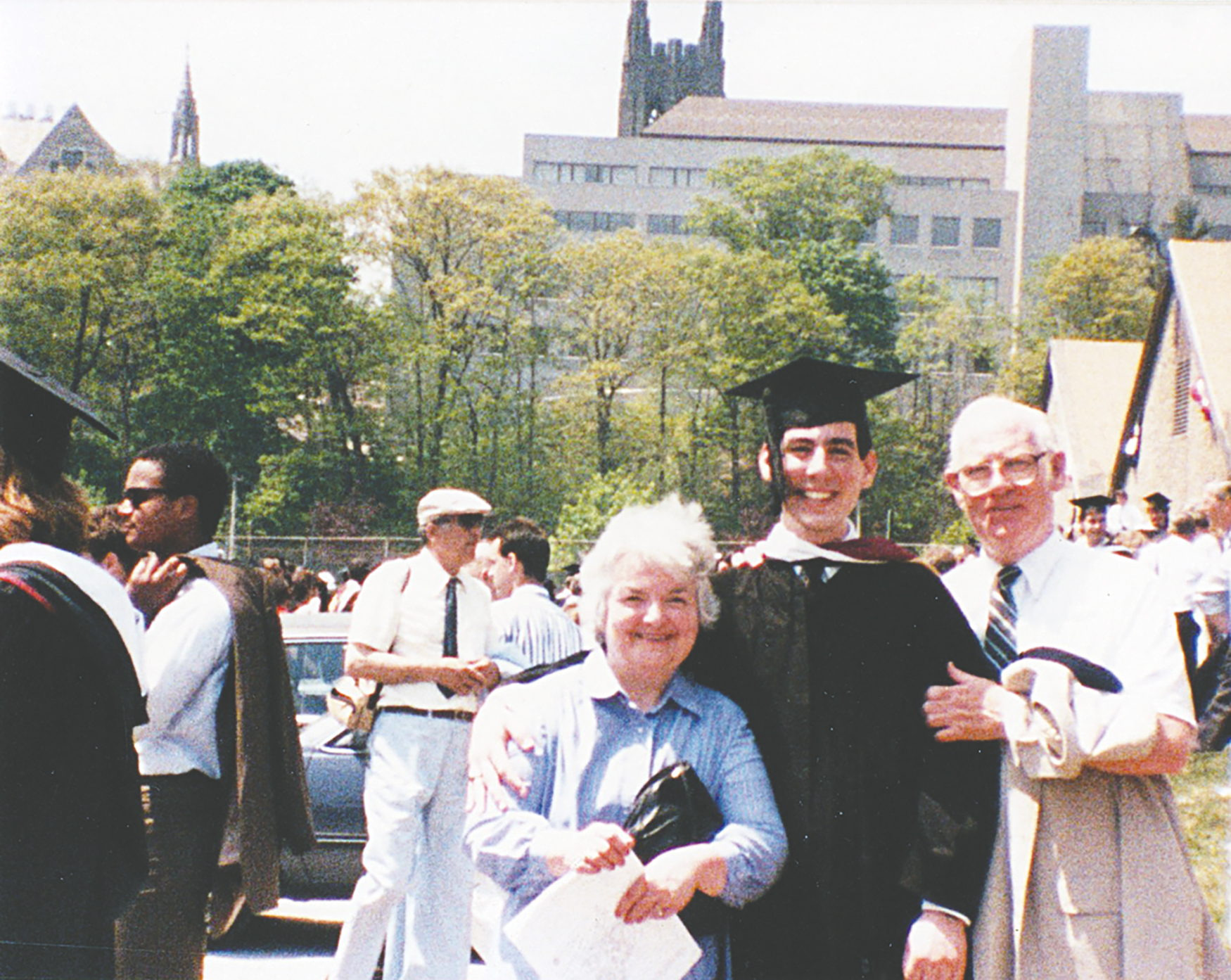
Bishop Mark takes a photo with his parents after graduating from Boston College.
TE: How about Father Paul Soper?
BM: I will miss him. He is my best friend. We were friends before seminary. He was an astrophysics student at Harvard and I was at Boston College and we were both potential seminarians. That is where we met. We became classmates eventually and I talk to him now every day. We always make sure, even with distances, to get together. I am the Vicar General in Boston and he is in charge of priest personnel. It has always been a very close friendship. One of his new responsibilities I think in the Archdiocese of Boston will be to answer the question, “How is Bishop Mark?”
TE: You said during your introductory press conference that the Church will always carry the wounds of the abuse crisis. Can you talk more about what that means?
BM: To me, I have done so much work with victim-survivors, been through the trials and know that the hurt doesn’t go away because we give them a check or say we are sorry. It is part of the burden that they carry around. There are still people who haven’t come forward, but when a priest abuses somebody it is a double-whammy. It is the abuse itself and it’s the church that hurt them; it’s their relationship with God that has been damaged. I don’t see these wounds going completely away. They might be able to better deal with them but I think the moment we say the crisis is over is the moment we become complacent, and I don’t think we can ever become complacent, nor should we.
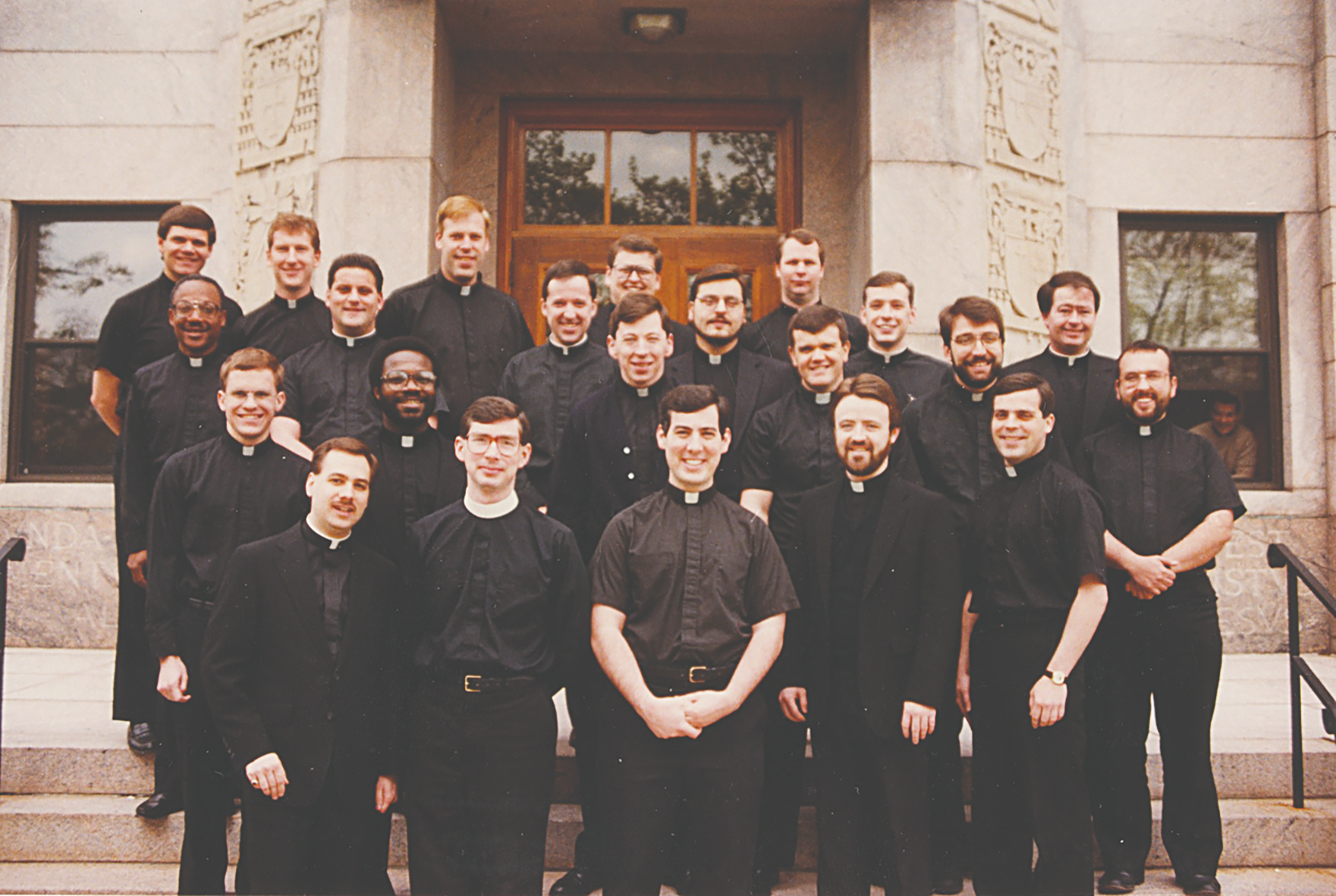
Bishop Mark is seen with his 1990 seminary class outside at St. John’s Seminary in Brighton, Mass.
TE: Talk about the importance of vocations and how you plan on “going fishing?”
BM: I think the Bishop of the Diocese needs to be very involved in vocations. I plan on being involved. … I think we have to ask people to be priests and religious sisters and involve lay people and consciously doing it to me is “to go fishing.” In fact that symbol is on my Episcopal crest, being fishers of people.
TE: You had said that you sense young men are coming back to the faith but perhaps young women not as much. Is that why you started the YouTube series “Listening to Catholic Women?”
BM: I went to a conference and a theologian was speaking and she said “young men are coming back to the church in record numbers lately. Young women are not.” I already knew young people were coming back to the church but the line about women, that one struck me more. I decided to do my own personal poll of that, so I started talking to women about it and asking if that is true. Some said it was, some said it wasn’t. But as I talked to them I realized, especially the young women cannot always find their Catholic peers and they don’t have models of faith. I searched the title “Listening to Catholic Women” online and found women upset but not positive examples of faithful Catholic women. That led me to the idea to do a YouTube series on the faith of Catholic women and it has been remarkable to me. I did 13 interviews and they are all completely different and it does the job of giving models of faithful women. YouTube series are in a very competitive market for viewers, but I know that those seeking real stories of Catholic women who find it, love it and I have learned so much listening to them.
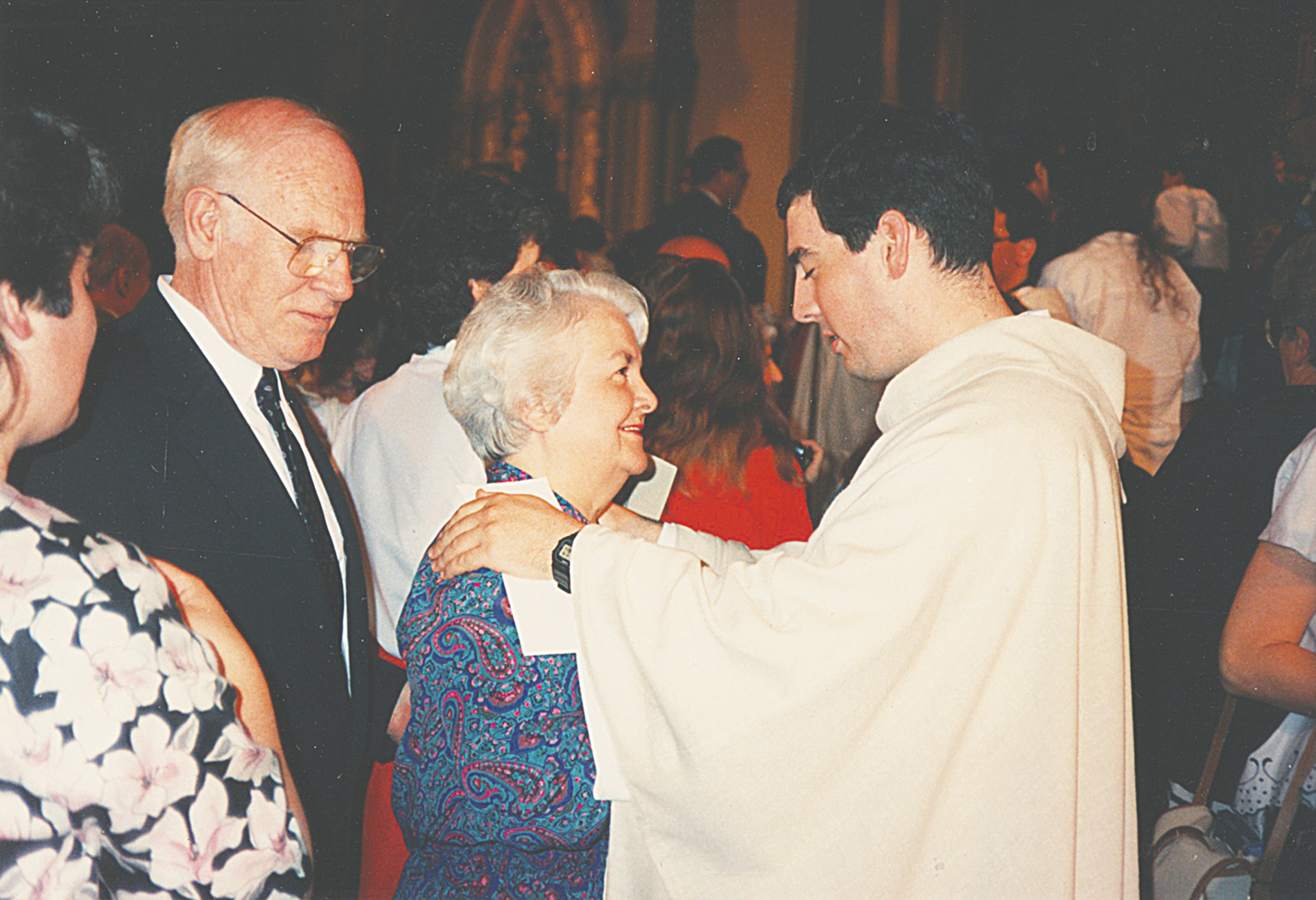
Delivering his first blessing to his parents after his priestly ordination.
TE: Did the fact that the Diocese of Albany was in bankruptcy ever give you pause to come here?
BM: No. I desired and let it be known that I wanted to help a diocese that needed my acquired skills. You can’t just call the pope or the nuncio and say, “Give me this.” But anyone that would ask, I would say I have been through a lot of fires and I desired a diocese that needed that experience. The fact that (the Diocese is in) bankruptcy, I would have been surprised if it wasn’t.
TE: Will it be difficult leaving the Archdiocese of Boston?
BM: The Diocese of Albany is close and I am mentally, completely ready for this. I have been ready for a while.
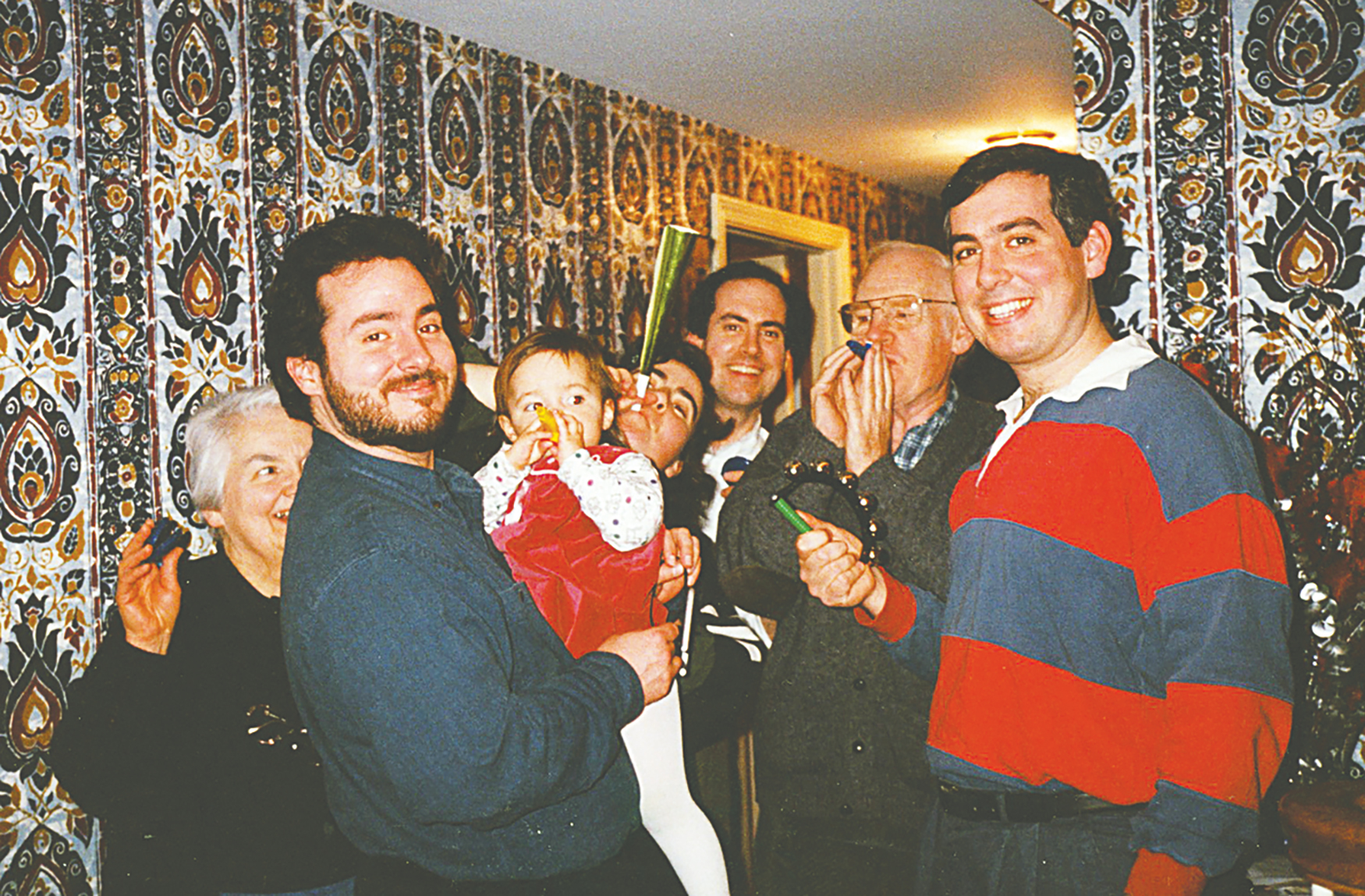
Having some fun with his family.
TE: You said in all the difficult periods that Boston went through, you never lost your faith. Can you talk about that?
BM: I feel that I am lucky. My faith is unaffected by people or sinfulness. My faith is my rock, that is the faith of my parents that I inherited. It doesn’t depend on the people in the church, it depends on God and my relationship with God. However, sometimes I have been discouraged at some things in the church and I have done my best to help fix them from within. But to me there is no without. I am at my core a Catholic. I remember when I was in seminary, I was talking to a religious sister and she was very progressive herself and she was telling me how many in her congregation left after Vatican II. Since she was so liberal, I said to her, “Did you almost leave too?” She said, “No, I’m staying, this is who I am.” I said to myself, oh, I relate to that. I saw some bad things in the church and it doesn’t affect my faith. I also am lucky in that there are some priests, God love ’em, who — I couldn’t do this — that seem to have this “What am I doing?” thought. They wake up in the morning (and say), “Why am I a priest? Should I be a priest?” I wake up in the morning as a priest and never ask the question, “Should I be a priest? Did I make a bad decision?” Since I was ordained, since before I went to seminary I’ve just been, “Ok, God has called me to this.” This is who I am at my core. … One last thing, and I think this is illustrative. An altar server asked in the sacristy — he was kind of a smart kid — and he says, “Now if you died and God said you can come back as anything else, what else would you be?” I said, “What do you mean? I am a priest, I would be a priest.” That is who my soul is.
TE: What does synodality mean to you?
BM: Love it. To me synodality means different things. What it used to mean before Pope Francis was a canonical process and that was a process of consulting and then organizing new things. Pope Francis took it more to its core of how to listen, not just listening, but how to listen. It got thrown out and disdained immediately by lots of people but when you do the process as Pope Francis taught of listening without thinking of your reply and listening such that you are open to change, then it is a different kind of listening. I think I try to model that in the series that I do “Listening to Catholic Women,” and that is what I bring to this Diocese. I have ideas. I will share them at the end, but I want to hear other peoples’ thoughts.
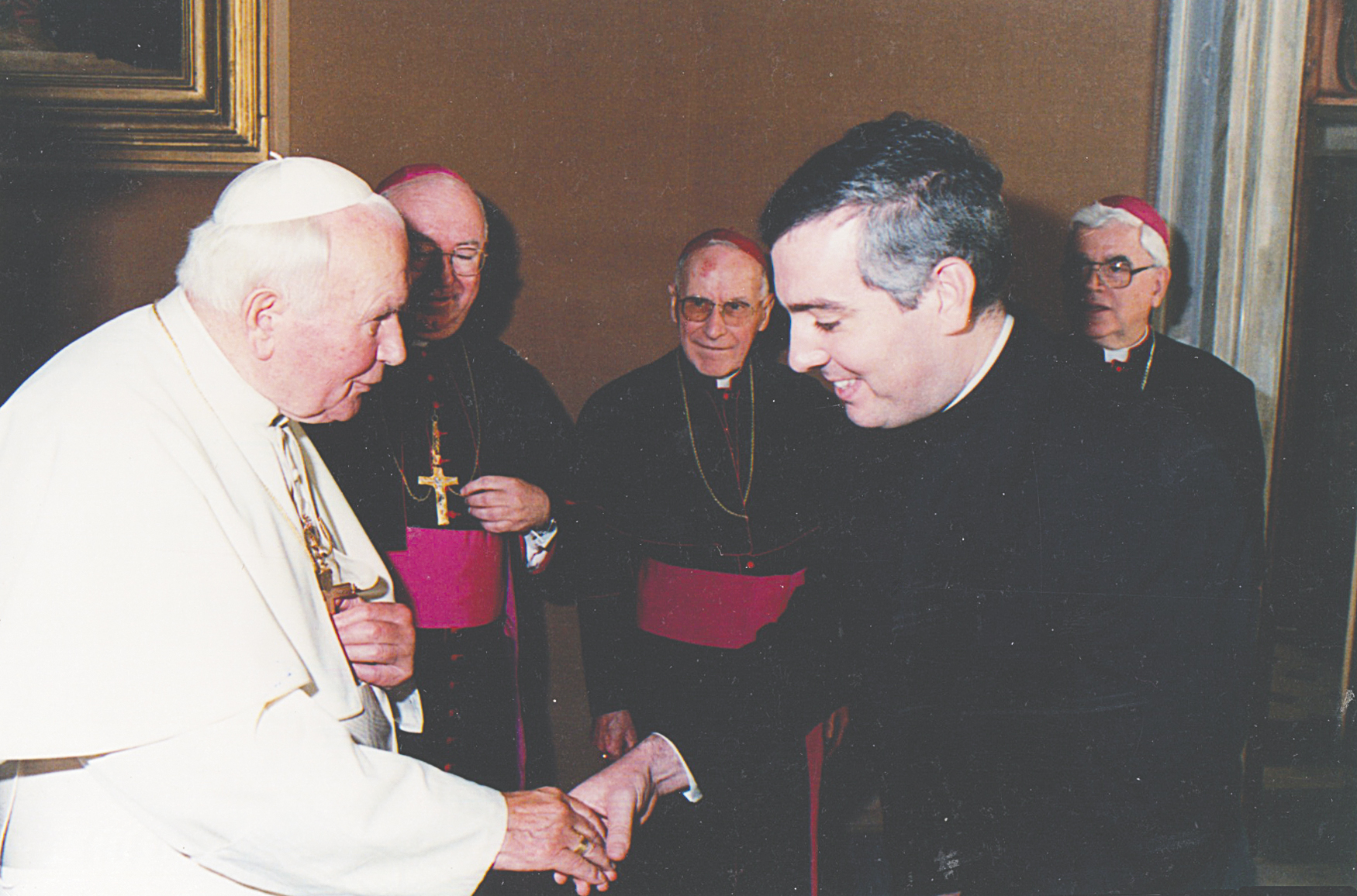
Meeting St. John Paul II
TE: We live in such a divided time, there are so many labels, even within the church itself. How can we overcome that?
BM: I’m a non-label guy. I think that is exactly what is happening with the new vocation and the generation that was quite affected by COVID and I think that they are looking for something more and they are also sick of the division. They are looking for grounding and the church can and will provide it. Community is important for everyone but in terms of my own politics, I don’t like labels. Even the moderate label, I rebel against because my politics, and I don’t want to be preachy, is Jesus Christ. If I speak very strongly on abortion, it doesn’t mean I’m a Republican. If I speak very strongly on the poor and immigrants’ rights, it doesn’t mean I’m a Democrat. What happens is when you are in the middle, people balk at that because they are forced by the world to be binary; “black” or “white.” They think of the middle as gray and they don’t like gray. Pope Francis speaks about that in “Amoris laetitia.” To me between black and white, it’s colors, it’s not gray, it’s subtlety. It’s truth. Therefore I am somebody that rebels against being labeled because I am in the colors.
TE: What are you looking forward to the most?
BM: Getting to know the priests, the people and the deacons and their wives and the religious sisters and brothers and the lay leaders and the directors of parishes and to start forming a vision and a plan which I don’t have at the moment, which is formed by those meetings. Like I am sure, all the people, I am also looking forward to bankruptcy being completed and beginning the rebuild.
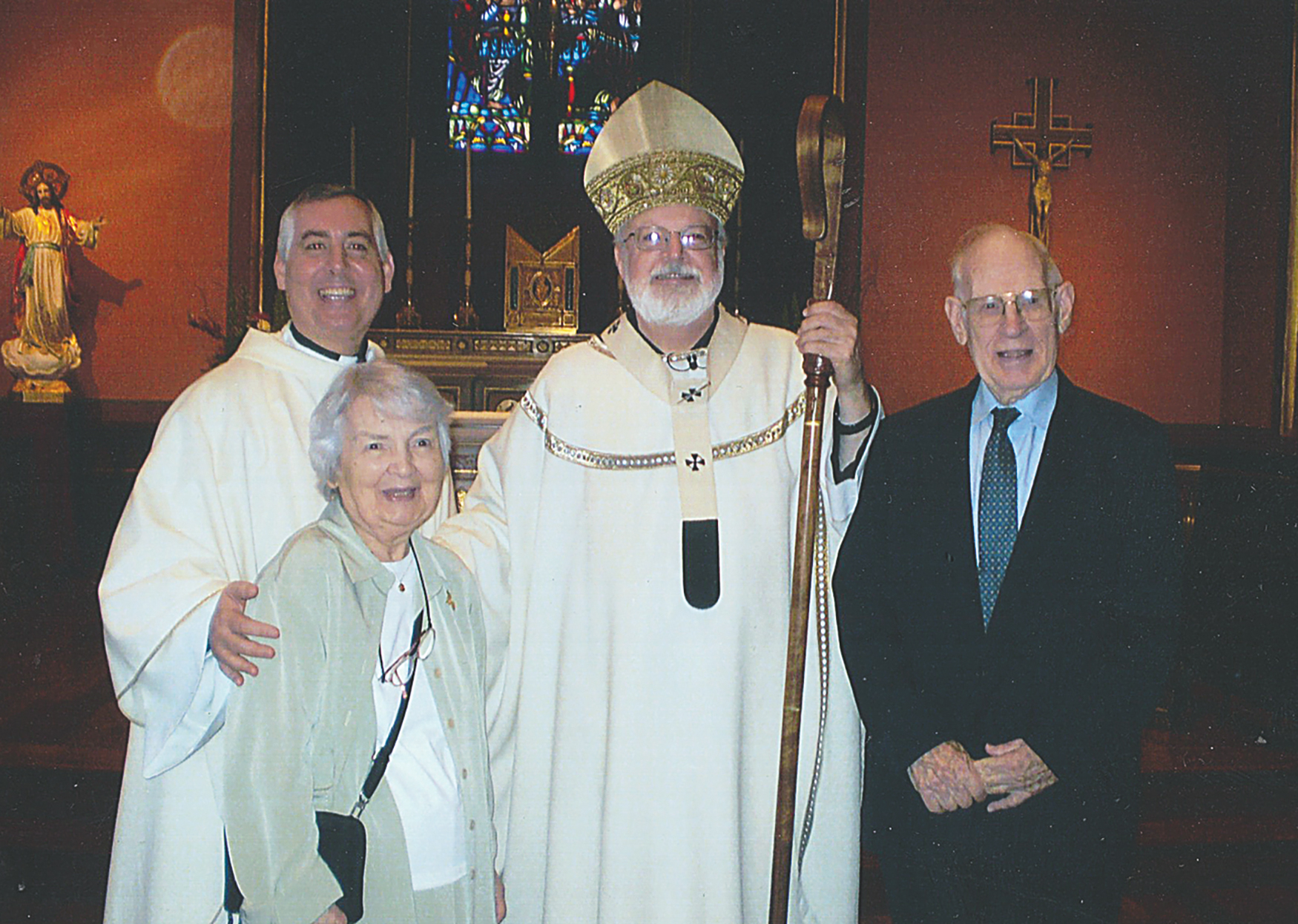
Taking a photo with his parents and Cardinal Sean O'Malley at the Cathedral in Boston.
TE: Will you be getting out and seeing the whole of the 14-county Diocese?
BM: I plan on lots of driving. It is important to be centered with the Pastoral Center, but it seems I need to get out to all the networks or clusters at least within two years and hopefully in one year.
TE: You also mentioned that you want to fill the churches. How do we do that?
BM: This Diocese is different than where I am from. Where I am from, we went from 450 churches to about 270. All that work has been done. I don’t know the statistics but on paper it sounds like there’s a lot of buildings. But I know that each one of these churches is loved. I also know that you can’t just, from on high, mandate it. One thing that I will share is that sometimes a church can change its mission. I started to do this personally in the Archdiocese of Boston with my authority as an auxiliary bishop and as a bishop of a region, was to ask Cardinal Seán for permission to change the mission. Examples: There was a Polish parish that needed to close, it could not sustain itself. With Cardinal Seán’s permission and help, we changed it to a shrine of Saint John Paul II and Divine Mercy. It’s doing fine but it is not a territorial church anymore. It still caters to the Polish but it is an important mission for everybody. We turned another church into a healing shrine, so all they do is healing ministry, adoration, confession and anything connected to healing. We changed a place down to 40 people into a Vietnamese church that still celebrates Mass each week in English. In another case there were two churches in a cluster that didn’t get along and we separated them and we made one the territorial and we made the other a different kind of mission. Therefore in those four cases, all four are doing fine, and all four are no longer territorial parishes but in all four you still have their funerals, weddings and Sunday Mass. Changing the mission is what we might do with a church that is beloved but not able to fill.
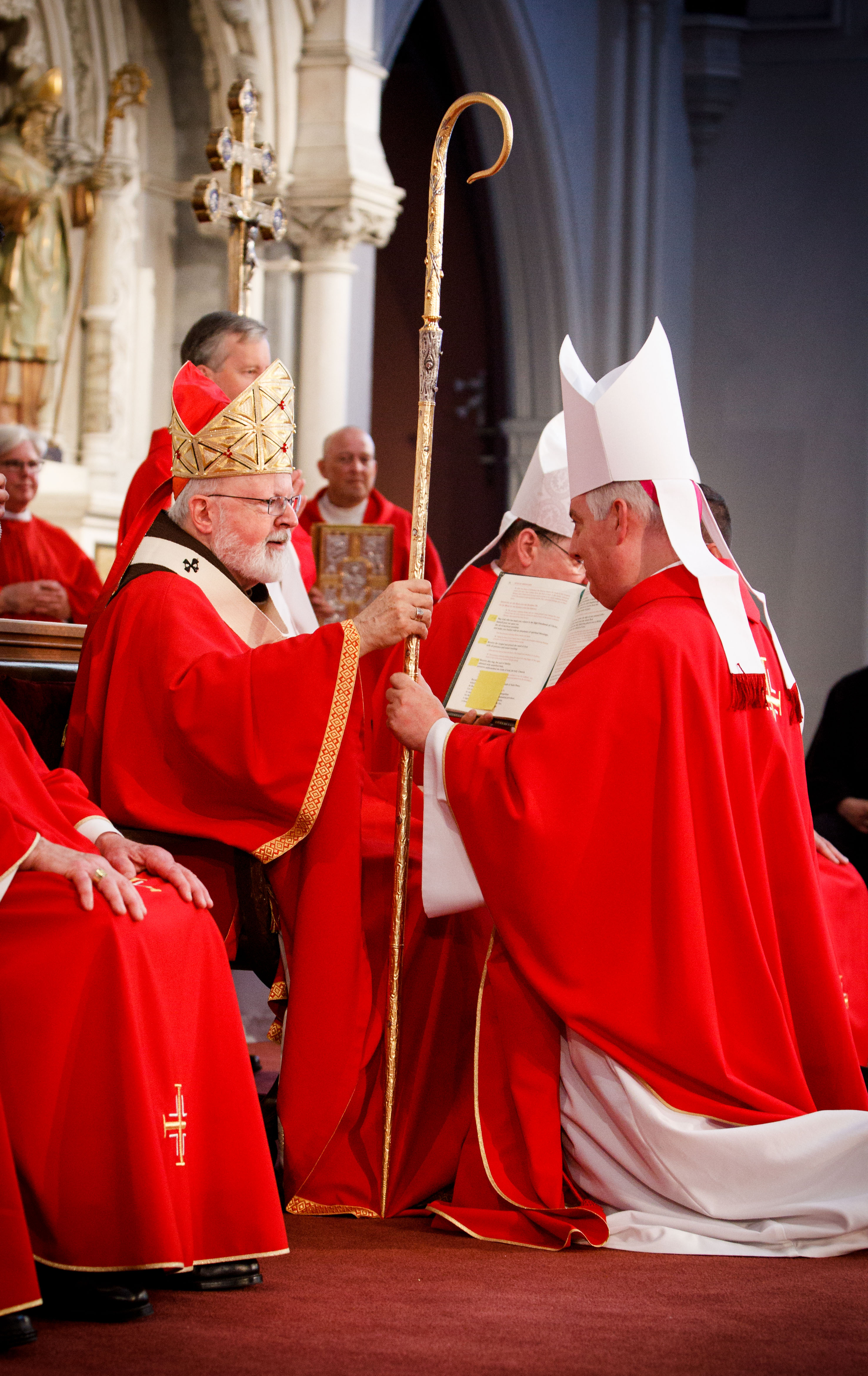
During his ordination as bishop in the Archdiocese of Boston.
TE: How would you describe your leadership style? Is it synodal as well?
BM: I hope so. I have never been the boss but all throughout the North Region, which is the region that I had, that was 60 parishes in the Archdiocese of Boston, I did many, “Ask a bishop” sessions. I am very used to being in bars (for Theology on Tap) and being in churches with an openness to whatever the people want to ask. I am used to going into a crowd, getting any possible questions asked of me and answering them as best I can. I am very dialogic. Is that my style? Absolutely. But in the end, who’s making the decision? Me. I learned a while ago that the best thing I can do to lead is to clearly say “yes” and “no” after hearing an idea with openness.
TE: How would you describe your personality?
BM: To answer that, I’m going to brag, but not everyone thinks I should be bragging about this. There’s an institute I like a lot, the Catholic Leadership Institute, down in Philadelphia and they worked with the Archdiocese of Boston. They have a personality test called DISC. What you do is you answer a bunch of questions on the computer and then it breaks you up into eight categories. As part of their training you get your results, and you go and you sit with those of the same personality. It is a very interesting exercise. I did it and the result was, “You do not compute.” It could not put me in a category. I think that was one of my favorite moments of my life. When it told me I didn’t compute, either I have no personality whatsoever or I have a spread-out personality, but that said to me that’s exactly where I want to be. Again, I dislike to be labeled.
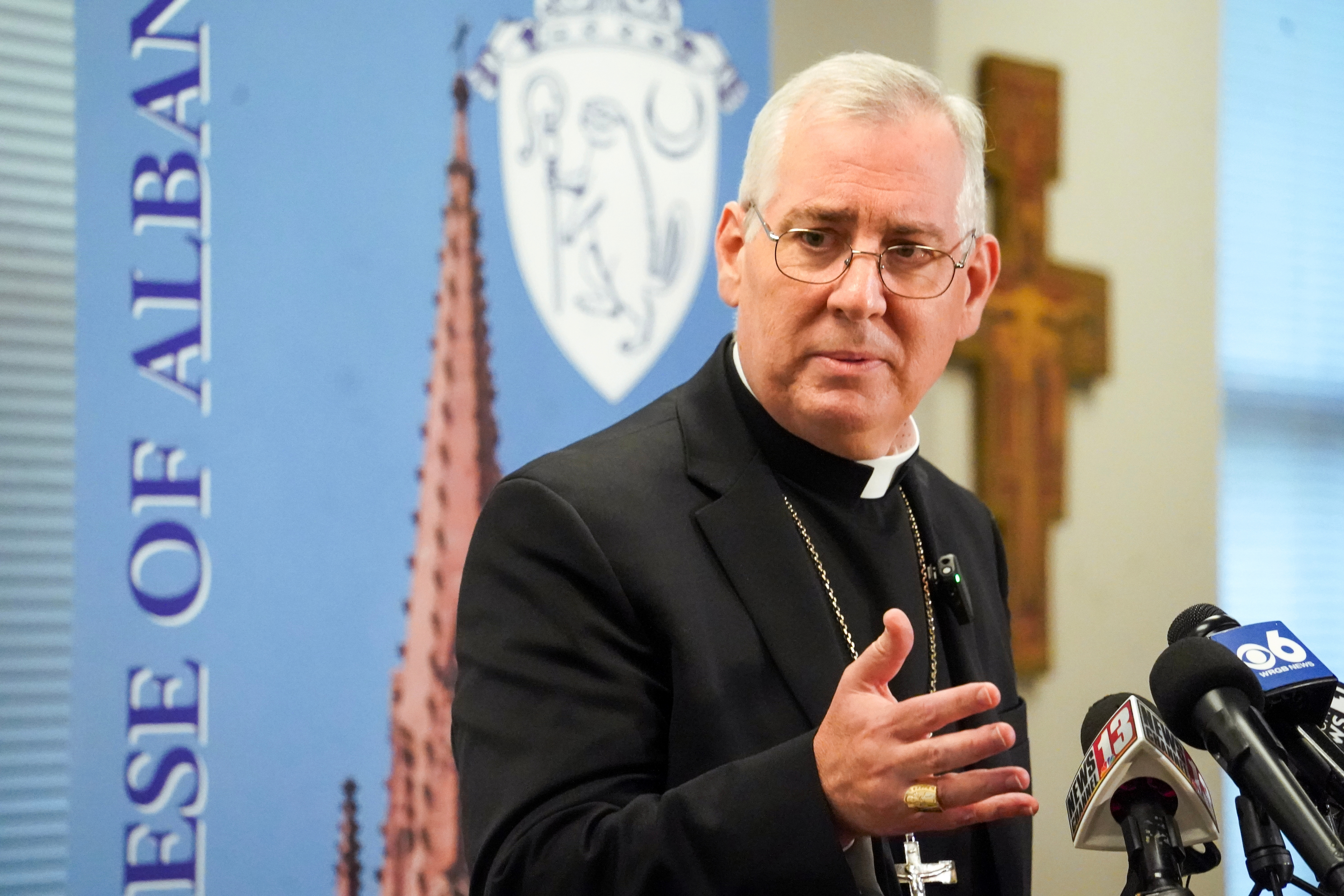
Talking to the press after being named the 11th Bishop of Albany.
(Cindy Schultz photo for The Evangelist)
TE: What do you like to do when you have some downtime?
BM: I am a sports fan. I like especially to watch football, although I never played it. I golf mostly at best-ball tournaments so I don’t screw it up too much for the other people. I read a lot. I love games. I don’t play video games anymore but I enjoyed them before being a bishop ruined my game because I was too busy. I do The New York Times puzzles every day. I like to visit historic spots. I do not have to escape from my work as a priest and bishop though — I like who God has called me to be in my day-to-day work.
TE: You were a diehard Toronto Maple Leafs fan as a kid, and then you moved to Boston. Do you see yourself becoming a fan of any New York teams?
BM: I think that will be something that we’ll see. After the family moved to Boston, I became a Bruins fan. I will note, distance-wise, Albany is closer to Boston than Buffalo and approximately the same distance from New York City. But I am open to being influenced by the people and the coverage. But give me time with football, the New England Patriots just got a franchise quarterback and New York has the Jets and the Giants — can I join those teams later?
TE: What is your message to the faithful of Albany?
BM: I am very happy to be sent here by the pope to Albany. I look forward to meeting people. I will come up with plans and a vision after I hear you. I’m not going to impose anything unless I have to. Give me a chance to do that work. I am coming in the midst of a rather nervous — my mother hated the word “scary” — but it is a bit scary time. I am here to take the hit with you and build for the recovery. I’ll walk with you through this time and whatever is left in the end is where we’ll rebuild. When I say I’m a happy bishop, I really am. My joy in being a bishop and being a priest has been tested by adversity. I am who I am and want to share that with you.
- How young Latino Catholics are renewing the Church this Lent
- Sacramento Catholic school averts possible shooting at Mass, thanks to astute parent
- The Epstein files and the desecration of the sacred — what they reveal and how to read them
- Father Zollner: Catholics need to pray more for survivors of sexual abuse
- Bishops: Ukrainians ‘resist, trust, pray’ as Russia’s full-scale invasion turns 4
- US visitors’ office saw big uptick in serving pilgrims during 2025
- Ukrainian Church transformed by 4 years of war, Kyiv’s bishop says
- Cardinals Müller, Sarah urge SSPX to submit to papal authority
- New Knights of Columbus video series explores ‘dignity of work,’ how it ‘builds virtue’
- Russia’s war on Ukraine means ‘No Priests Left,’ documentary shows
Comments:
You must login to comment.