


September 14, 2021 at 4:08 p.m.
An appropriate message for Catechetical Sunday
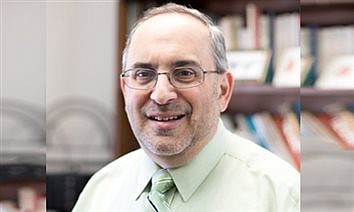
An appropriate message for Catechetical Sunday
At this point, I am sure many of you are saying something like, “Nice way to begin your Catechetical Sunday message, Davey Downer!” To be honest, I am saying the same thing to myself!
Yet, perhaps our present circumstances offer us an opportunity to reflect more deeply on the ministry of catechesis for “which the whole Christian community is responsible” (“Directory for Catechesis,” 111). The pandemic has starkly confronted us with the meaning and fragility of life. In one way or another, we have all been affected by it. We have all experienced “loss and dying.” We have all experienced “the hope of new life.” To put this in a faith (and catechetical) perspective — we have been living the Paschal Mystery in a way that we have likely never done before. We have died and risen with Christ — over and over again — as we have lived through these many months of pandemic. It is Jesus who gives meaning and hope to our lives, most especially when we experience moments of loss and dying in our lives.
Indeed, living the Paschal Mystery is at the heart of our faith. We are immersed into this mystery at Baptism. We are immersed again into this Mystery at every celebration of the Eucharist, and recommit ourselves to living it. As Pope Francis tells us — this is also the kerygma, the fundamental message that should be proclaimed through our lives and through all of our catechetical ministries: “Jesus Christ loves you; he gave his life to save you; and now he is living at your side every day to enlighten, strengthen and free you” (“Joy of the Gospel,” 164).
This time of pandemic has helped the Church “to embody the kerygma according to the needs of her contemporaries providing help and encouragement so that on the lips of catechists … there may blossom credible proclamations, vital confessions of faith, new Christological hymns for telling everyone the good news.” (“Directory for Catechesis,” 58). Pastors, parish life coordinators, catechetical/youth ministry leaders and dedicated catechists, did just this in many remarkable ways over the past 18 months! Zoom, Google Meet, enhanced livestreaming, and too many creative approaches to list here, became our ways to “go and make disciples.” May this creative energy not be lost, but continue to grow!
No matter what challenges the pandemic may still present to us as we begin this new catechetical year, we must remain focused on Jesus and share his saving love that can heal us in every way. All we need to do is ask, as we do at the invitation to Holy Communion at every Mass, “Say the Word and My Soul Shall Be Healed.”
David G. Amico, M.Ed, is the diocesan director for the Office of Lay Ministry and Parish Faith Formation.
SOCIAL MEDIA
OSV NEWS
- Meta $18 billion settlement over child safety raises questions about its real impact
- Catholic agencies respond to Nepal floods, as U.S. bishop calls for greater international aid
- A name on the wall, a gift to a child: Polish Americans invited to turn memory into mercy
- ‘We are stronger when we do this work together,’ says biblical scholar facing antisemitic backlash
- Prayer, social justice are inseparable, pope tells the Society of St. Vincent de Paul
- New DOJ report alleges FBI ‘took minimal corrective action’ after ‘radical traditionalist’ memo
- Cassidy takes aim at FDA mifepristone regulation, manufacturers
- Precious in God’s eyes: Irish primate reflects on Father Flanagan’s witness
- Peter’s path amid stumbling blocks
- Prayers for migrants, immigrants, refugees echo through Missouri Capitol’s rotunda
Comments:
You must login to comment.