


February 23, 2021 at 4:28 p.m.
Vestiges of racism in our hearts
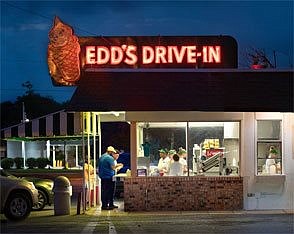
I recently viewed an online gallery of photographs called “Ghosts of Segregation” (www.ghostsofsegregation.com) by a photographer named Rich Frishman. The images were jarring. Frishman had traveled the country documenting physical evidence of racism. There were bricked-over separate entrances to movie theatres, and still-standing walls in restaurants that separated whites from Blacks. There were segregated restrooms, schools and stadiums, sites of racial violence, and even the remains of a “slave exchange” sign where human beings were once bought and sold.
While many of the photos were taken in the Deep South, others were snapped in Oregon, Illinois and Michigan. Some of the images made me physically sick.
The fact that these tangible traces of such a horrifying evil still exist, hidden in plain sight, was a real wake-up call for me. It prompted me to look inward to examine if there are vestiges of the sin of racism remaining in my heart.
I know that many will say that slavery was in the past, and what’s done is done, and that’s all over now. I hear this often. And while yes, it’s true that Black persons are no longer exploited to work as slaves, centuries of racism and its remnants have resulted in Blacks being catalogued and labeled: they are “the other.” We’ve been conditioned to view them differently, suspiciously. Think of the stereotypes that continue to flourish. These are sacred children of God we’re talking about!
Any time we divide people into groups of “us” and “them,” sin results. We differentiate between the mentally fit and the mentally unfit, between the physically able-bodied and those with physical disabilities, between the born and the unborn, between the documented and the undocumented, between the privileged and the underprivileged.
Once a group of people is labeled as “the other,” they are devalued and dehumanized. We perceive them to be substandard, inferior, of lesser value, unworthy of our respect, undeserving of the protection of the laws. We give ourselves permission to treat the others differently, often in ways that are offensive, hurtful, damaging, sometimes fatal.
It’s subliminal, unconscious, even unintentional. But it’s there. Just like the relics of segregation and the ruins of lynching sites, it’s hidden in plain sight. Following much prayer and reflection during this Black History Month, I’m ashamed to say I found it in some of my own attitudes and behaviors.
Every human being is made in God’s image and likeness. Our Church’s principles on social justice and respect for life apply in every situation and to every human being. That’s why racism is an assault on life and dignity. It’s a sin and it’s tearing our human family apart.
There are no simple solutions. This isn’t just about changing a few laws and making everything right. Yes, it’s important to try to eliminate inequities in housing, health care, criminal justice, education and employment. But it’s more important to erase the vestiges of racism in our hearts. There are spiritual repercussions to the sin of racism. God expects more of us.
We must work harder to try to understand “the other,” and to make their interests our own.
Kathleen M. Gallagher is the director of Pro-Life Activities at the New York State Catholic Conference.
- UPDATE: Pope Leo XIV discharged from hospital early following lung cancer surgery
- Pope Leo XIV’s brother shares his own cancer battle, the role of faith and his 1 request
- Global progress must ‘truly serve the human person,’ nuncio tells major interfaith forum in Utah
- Archbishop Hicks hosts his first Al Smith dinner; NYPD commissioner, Cardinal Dolan honored
- Pope Leo sends message to San Francisco celebrating Franciscan mission’s 250th anniversary
- As pope faces cancer, biographers say it’s too early to predict changes to his papacy
- Temporary protections for Ukrainians in US set to expire, trigger deportation, archbishop says
- The courage to risk death for life
- Pope Leo calls Putin from hospital urging ceasefire, aid to starving Ukrainians
- Catholic parenting during election season: teaching discernment, not division
Comments:
You must login to comment.