


May 7, 2019 at 8:36 p.m.
A suicide-free New York? Well, not for everyone
On April 22, Gov. Andrew Cuomo announced the release of the first report of his “Suicide Prevention Task Force,” a group he put together a year and a half ago to strengthen suicide prevention efforts. The report is titled “Communities United for a Suicide-Free New York,” and it offers solid recommendations for increasing access to mental health resources and services, particularly for high-risk populations like LGBT youth, inmates and veterans. The governor said the report “will help increase awareness and strengthen the safety net to protect anyone who needs help.”
Well, almost anyone.
Less than a week earlier, the governor had voiced support for the legalization of physician-assisted suicide for the terminally ill. In response to a question about it on a public radio program, the governor said, “I say pass the bill. It’s a controversial issue. It’s a difficult issue. But the older we get and the better medicine gets, the more we’ve seen people suffer for too, too long.”
Why on earth would the governor single out one particular group — patients with a diagnosed terminal illness — and deem them unworthy of the state’s suicide prevention resources? Because they suffer for too long?
What about the depressed lesbian adolescent who’s being bullied at school and online? She’s suffering. But she’s getting suicide prevention messages on social media and her teachers are being trained in diversity, inclusion and acceptance. No one’s giving up on her.
What about the prisoner who’s been handed a life sentence without parole in a maximum security state prison? He’s suffering, too, overwhelmed with feelings of hopelessness and despondency. But he’s going to be screened for risk factors, continually assessed, and shown how to access mental health care. All of the employees of his prison will be trained in suicide prevention and intervention methods.
What about the veteran who just left active military status and is feeling lost and isolated, abusing drugs and alcohol, unable to focus and hold down a job? He’s suffering. But he’s getting counseling, engagement, mental health support and assistance in obtaining benefits. His health care workers will be better trained to understand the unique needs of veterans.
What makes each of these lives more important than the person who receives a terminal cancer diagnosis, who will likely feel depressed at some point, and possibly suicidal? Isn’t every human “life worth living,” as the suicide deterrent signs and telephones on public bridges tell us?
Interestingly, in states where assisted suicide is legal, physical pain and suffering is never among the top reasons the life-ending drugs are requested. Rather, the reasons are all related to psychological pain: fear of being a burden to others, losing autonomy, and inability to enjoy life.
Persons with a terminal diagnosis are most certainly deserving of screening, counseling, and access to mental health services. And we, as a caring society, must engage with them, accompany them, and provide them with the best pain management, palliative care and hospice services available. Physician-assisted suicide offers them nothing but hopelessness and lethal pills.
Suicide does indeed have devastating impacts on families and communities, and we must join with the government to do all we can to reduce the suffering that can lead to suicide. But our response to suffering should never be to eliminate the sufferer, only to lessen the suffering. That is part and parcel of our moral obligation to be charitable and to love our neighbors as ourselves.
A state-sanctioned policy of doctor-assisted suicide flies in the face of a suicide-free New York. It must be rejected.
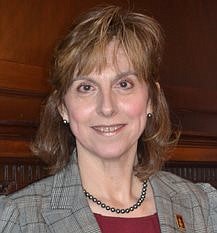
Kathleen M. Gallagher is the director of Pro-Life Activities for the New York State Catholic Conference.

- In AI guardrails push, US bishops advocate for Kids Online Safety Act at the Capitol
- For National Migration Week, bishops urge policy that upholds ‘God-given human dignity’
- ‘We thank God for the way that he lived,’ archbishop says of Father Flanagan at special Mass
- ‘We all have a voice’ on AI, says head of US bishops’ new task force
- Aparecida shrine celebrates completion of Rupnik-designed western facade
- Sheen beatification offers US bishops a model of holiness and mission
- Vatican document affirms interreligious dialogue as essential to ‘journey of hope’ for humanity
- Pope Leo XIV names US bishops’ migration committee chair as new bishop of Joliet, Illinois
- Why Sept. 17 is a holiday in Vatican City: Pope Leo XIV’s ‘name day’ explained
- Minnesota priest describes weeping at altar amid powerful Eucharistic experience
Comments:
You must login to comment.