


February 3, 2019 at 7:03 p.m.
Walking and living in truth
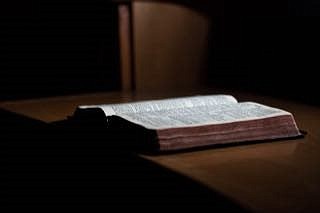
Today’s Gospel from Luke (4:21-30) is a continuation of last week’s Gospel, set in the synagogue at Nazareth. The people are amazed at him and at the same time incredulous, asking, “Isn't this the son of Joseph?” In other words, “What does this carpenter’s son think he’s doing? He can’t apply the Scriptures to himself, can he?” esus responds by saying, “Surely you will quote me this proverb, ‘Physician, cure yourself,’ and say, ‘Do here in your native place the things that we heard were done in Capernaum.’” What is Jesus revealing in his reply? Suppose you go to the doctor. The doctor tells you that you need to lose weight, but he himself is also overweight. You might think: “Look’s who’s talking!” and dismiss the advice out of hand. You would be judging the validity of the doctor’s message based the appearance of the doctor. The fact of the matter, however, does not depend on your physician’s weight…it depends on yours. He is telling you the truth regardless of his physical appearance.
We are often prejudiced by appearances, and the Nazareans were as well. Essentially, they judged Jesus’ message by his appearance among them as a simple carpenter. Their attitude was something like: “Don’t you presume to speak to us. Don’t you tell us how to live, what things mean, or who God is.”
Interestingly, Jesus does not get upset when they discount what he says because they think they know him. Instead, he implies that their dismissal is due to their lack of faith. He does this by likening them to the people of Israel during the time of Elijah and Elisha; the people worshipped false gods, as did their leaders. At this comparison, the Nazareans’ incredulity turns to rage, and they want to throw Jesus off a cliff, but he simply passes through them and goes away.
Jesus is perfectly clear about who he is and what he is about. That is the connection between the Gospel and today’s first reading from Jeremiah (1:4-5, 17-19). Jesus perfectly fulfills this passage, which speaks of the prophet Jeremiah as a prophet to the nations who will withstand those who fight against him. It is a paradigmatic text for all truth-tellers. Jesus said of himself, “I am the way, and the truth, and the life” (John 14:6). Walking in the truth, living in the truth, is one important way of living a life united to Jesus Christ. This allows us to be strong in his strength, not our own, and to be willing to suffer for the truth, as he did.
That ties in very well with today’s second reading, Saint Paul’s hymn to charity in 1 Corinthians 12:31-13:13. In this famous passage, Saint Paul gives a detailed description of the manifestation of love, that is, of what love does, not what it feels like. You will notice that there is a lot of sacrifice in his description. Most people are willing to love in this way only if they are convinced that it is worth it, meaning, that there is truth in what they love. This can be applied to all sorts of areas of life, but most importantly faith, family, and friendship. Saint Paul’s point is that if we love family and friends, it is going to show up in our lives through patience, kindness, generosity, humility, courtesy, selflessness, meekness, and forgiveness. If these are not evident in relationships, look at what is there. Envy, strife, bitterness, foul temper? Those are areas where you and I are being called to love better. The other option is to throw Saint Paul (and Jesus) out of town.
- America must remain a place of refuge for those fleeing persecution
- Bishops across Latin America urge prayers for Pope Leo as trip hangs in the balance
- In hospital, Pope Leo’s tests show ‘good recovery of the operated lung,’ doctors say
- Trump calls off Hegseth plan to livestream execution denounced by Catholic leaders
- US bishops’ president urges Catholics ‘to put their faith before politics’ in November elections
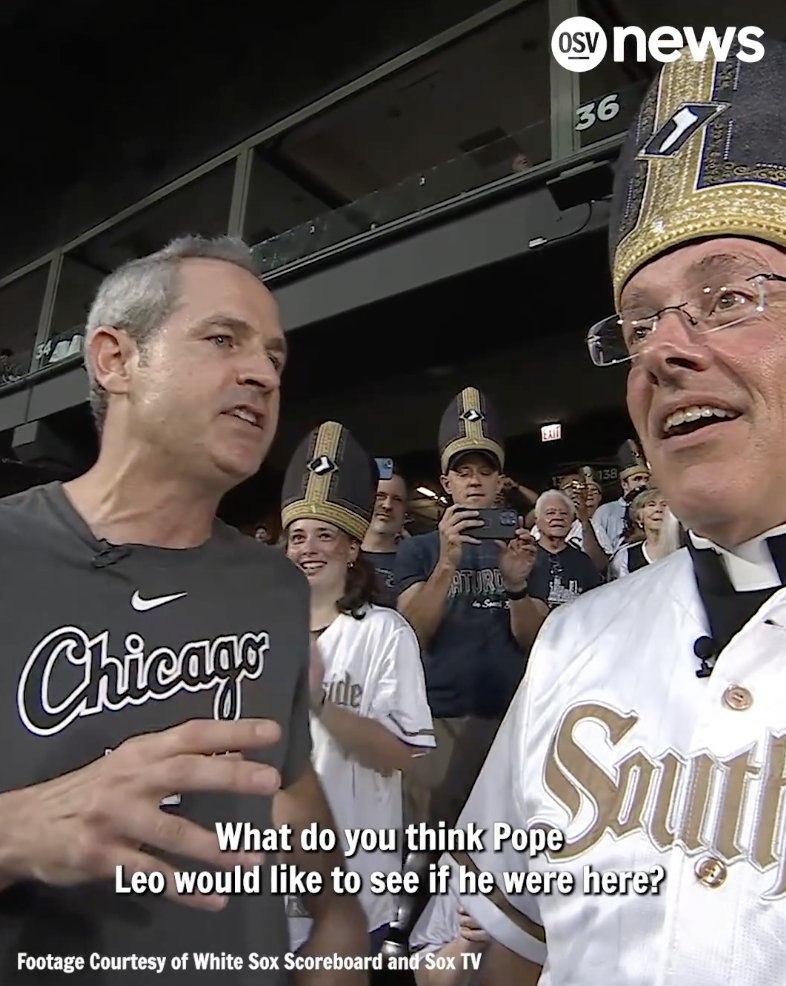
- Chicago students send Pope Leo a White Sox care package after cancer surgery
- Bishops conclude Vatican family meeting as Pope Leo XIV recovers in hospital
- Trump sends Pope Leo ‘get well’ wishes following cancer diagnosis
- Catholic, evangelical leaders issue joint call for compassionate immigration reform
- Pope Leo XIV starts respiratory physical therapy a day after lung cancer surgery
Comments:
You must login to comment.