


April 9, 2019 at 7:48 p.m.
Cuomo voices support for assisted suicide

For the first time, Gov. Andrew Cuomo has voiced his apparent support for assisted suicide.
Cuomo, on WAMC’s The Roundtable last week, was asked about the controversial issue by Dr. Alan Chartock. “How about aid-in-dying?” Chartock asked, “... There are many legislators who want it … and you say?”
“I say pass the bill. It’s a controversial issue. It’s a difficult issue. But the older we get and the better medicine gets, the more we’ve seen people suffer for too, too long,” Cuomo said. “I think it is a situation we have to address, definitely.”
Cuomo has drawn the ire of Catholics, who called for his excommunication after he signed the Reproductive Health Act in January.
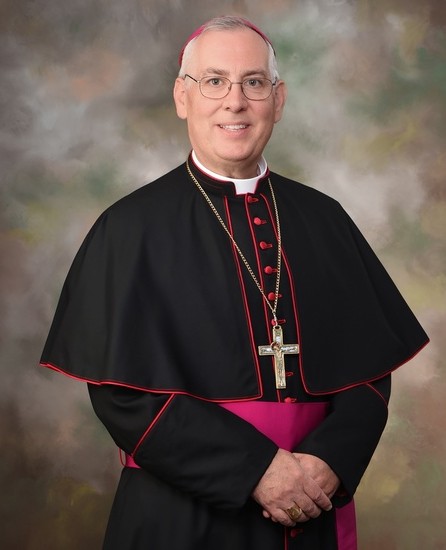
Bishop Edward B. Scharfenberger asked Cuomo in an editorial “not to build this Death Star,” but that fell on deaf ears.
“We are obviously distressed by the governor’s comments and deeply concerned for the implications for patients who are experiencing depression or who feel family or financial pressure to end their lives,” said the New York State Catholic Conference. “Beyond that, passage of this bill would send a dangerously romanticized pro-suicide message at a time of increasing suicide rates, particularly among young people. We urge the legislature to listen to the voices of opposition in the disabilities, aging, patients’ rights and medical communities and reject this bill.”
New York’s Medical Aid in Dying Act, which was reintroduced this year, would allow doctors to legally prescribe a lethal dose of pills to a patient whom two physicians have stated has six months or less to live and is over age 18. Critics argue that the legislation will increase pressure on vulnerable individuals who fear being a burden on their families or losing their independence to end their lives. The state’s Catholic Conference notes that the bill requires no mental health evaluation to screen for depression, nor does it require the presence of any witness or physician or other safeguards against coercion and abuse at the time the drugs are ingested.
While proponents call it “death with dignity” because they view it as allowing a person freedom of choice on how and when they want their life to end, opponents call it “assisted suicide,” because it ends a life unnaturally and raises red flags with regard to vulnerable populations.

- Full text: Pope Leo XIV’s Angelus address given October 25, 2026
- Jordan reels after terrorist attack on church, King vows ‘harshest retaliation’
- Scandinavian Catholics debate how to handle new wave of conversions
- Our Lady of Guadalupe apparitions are ‘true origin story’ for US, the Americas, LA archbishop says
- Why do some priests leave ministry? New study aims to find out
- Court allows multifaith challenge of Trump administration policy to permit ICE arrests at churches
- Pope Leo urges Catholic schools to be aware of ‘digital loneliness’ and ‘misguided meritocracy’
- Catholic sister challenges JD Vance over ICE tactics, treatment of immigrants
- Blaming Autumn: Unjust cranks in this excellent season of wonder
- Trump holds Oval Office meeting with some US bishops shortly before midterms
Comments:
You must login to comment.