


June 13, 2018 at 2:46 p.m.
WORD OF FAITH
What is the kingdom of God?
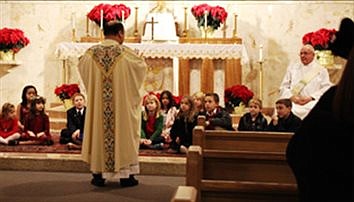
FROM A READING FOR JUNE 17, 11TH SUNDAY IN ORDINARY TIME
‘The kingdom of God...is like a mustard seed...the smallest of all the seeds on Earth; yet when it is sown it becomes the greatest of all shrubs...’ — Mark 4:30-32
(Editor’s note: This column is also based on the Scripture readings Ez 17:22-24; Ps 92 and 2 Cor 5:6-10.)
Jesus, in a rich parable (Mark 4:26-34), presents to us this Sunday a beautiful image that, no doubt, would have been familiar to the agrarian culture of the Israel of the Lord’s day. Jesus expresses the central message that He is in Himself and that He came to bring: the kingdom of God.
The kingdom of God is not a place, not a concept. It is, at its essence, Jesus Himself. It is already powerfully present in the world, breaking through the walls of sadness, sin and division. Yet, it is not complete. It is only going to be complete when, in Christ’s time, the appointed time is completed, when the Lord Jesus will come again in glory and His kingdom will have no end.
Jesus uses parables to get His message across about the kingdom of God. Recalling that the kingdom of God is primarily a heavenly reign, we are acutely aware that it is the Lord’s initiative to bring the kingdom to fruition in this world. Nothing that we can do, in and of ourselves, can bring forth the kingdom of God.
However, we can cooperate with the will of God and thus, in our own way, bring God’s kingdom to a gradual in-breaking, a forthcoming indwelling, every single day.
Why not define?
We might expect Jesus to give us a clear definition of the kingdom of God. Nothing, however, can be further from the truth.
Jesus never comes out in any of the Gospels with a direct statement of exactly what the kingdom of God is or is not. Jesus only speaks of the kingdom of God in simile.
Why would Jesus never directly define the kingdom of God? I suspect it’s because the kingdom of God is always more than we could ever ask for or imagine!
The only quasi-definition that we receive for the kingdom of God comes not from any Gospel, but from St. Paul’s letter to the Romans. In this incredibly important epistle, St. Paul gives us his basic theological perspective. In Romans 14:17, we hear that “the kingdom of God is not a matter of eating or drinking, but that of peace, justice and joy.”
What it’s not
Notice that this “definition” does its function by declaring what the kingdom of God is not, rather than what it is. By declaring the kingdom of God to not be a matter of eating and drinking, St. Paul means that it is not a matter of the things of this world, but of the world to come.
We might wish to perceive peace, justice and joy as the values of the kingdom. With this in mind:
• Are we good citizens of the kingdom of God?
• Are we “good seed,” cooperating with the Lord, trying to grow to see Christ in all people and striving to then serve with our very lives?
• Do we act as men and women of peace, justice and joy?
This week’s Gospel is a challenge to us to become good seed!

- What’s next after Pope Leo lung cancer diagnosis? Medical experts explain possible steps
- Georgia martyrs and the American missionary spirit
- America must remain a place of refuge for those fleeing persecution
- Bishops across Latin America urge prayers for Pope Leo as trip hangs in the balance
- In hospital, Pope Leo’s tests show ‘good recovery of the operated lung,’ doctors say
- Trump calls off Hegseth plan to livestream execution denounced by Catholic leaders
- US bishops’ president urges Catholics ‘to put their faith before politics’ in November elections
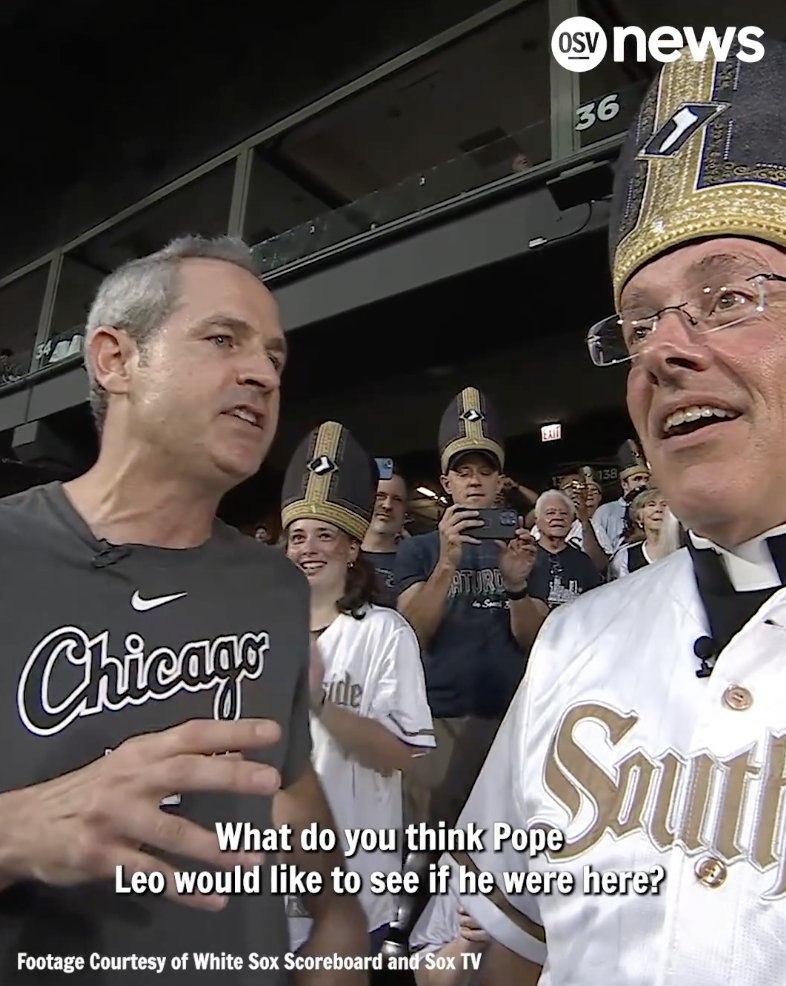
- Chicago students send Pope Leo a White Sox care package after cancer surgery
- Bishops conclude Vatican family meeting as Pope Leo XIV recovers in hospital
- Trump sends Pope Leo ‘get well’ wishes following cancer diagnosis
Comments:
You must login to comment.