


April 6, 2018 at 1:53 p.m.
PERSPECTIVE
I met Syrian refugees
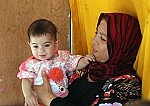
I met Syrian refugees
This heartbreaking tragedy became more personal for me this summer, when I traveled to Jordan and Lebanon as part of a Catholic Relief Services (CRS) delegation. Catholic Relief Services is the U.S. bishops' global relief and development agency, based in Baltimore.
We witnessed the work that CRS and our local partners are doing to help Syrian refugees and those displaced by the Islamic State of Iraq and Syria (ISIS). My visit with CRS changed my perceptions of the Middle East. In the media, we only see chaos and violence; however, during the trip, we learned that the situation is much more complex than what the media portrays.
What's more, we learned about the difficulties the refugees face. Some of the refugees come from educated, middle-class families, but had to leave their comfortable lives behind because they feared that they would otherwise be killed.
In these difficult circumstances, we saw many people rise above the situation and perform extraordinary service. Our partners, the Caritas staff in Jordan and Lebanon, were some of the most professional teams I have seen.
What sets them apart is a profound sense of mission. They are not simply meeting immediate needs of food and shelter; they're helping these people deal with trauma. They're also contributing to a culture of tolerance and peace.
The Good Shepherd Sisters, with the support of CRS, work with refugee children in a village in the Bekaa Valley that borders Syria. Sister Micheline, who directs the center, told us: "Before, the kids were throwing paper on the ground. Now, kids are cleaning the playground. We are teaching them respect for each other, and how to live together peacefully and how to respect others."
She also told us how the community was involved: "This village suffered 300 deaths in the war with Syria, but the community has accepted [the refugees]. People have opened their land. We are working with local government to create respect."
The sisters and the local Lebanese volunteers will have a lasting impact on the lives of these children. They are mutually transforming the Lebanese communities affected by the war, and creating new paradigms of respect and tolerance.
After this experience, thinking that this situation does not affect me is not an option. After our return to the United States, a Syrian teacher at the center wrote me this note: "Many thanks for your visit to my people from Syria last Tuesday. Your visit gave them a lot of hope that someone is interested in their situation in Lebanon and thinks of them from afar. Your gesture of love touched my heart profoundly -- that you would put your lives in danger and come here to listen to and help the people who suffer in this war."
I invite you to join me in a response: Praying for refugees; contributing financially, if you are able; and advocating so their basic needs are met and that they have fair treatment.
Finally, if they come into our country and our communities, let's welcome them. Aylan could be my Will. He could be your son or grandson or nephew.[[In-content Ad]]

SOCIAL MEDIA
OSV NEWS
- In Assisi, cardinals and friars celebrate the 800th anniversary of St. Francis’ death
- ‘Transitus’ at Franciscan Monastery of the Holy Land marks 800 years since St. Francis’ death
- Supreme Court expected to hear religious liberty, gun and environmental cases in its new term
- Ahead of papal visit, archbishop warns of a ‘wounded Argentina’ at Our Lady of Luján shrine
- Pope Leo receives a relic of Blessed Fulton Sheen from Peoria’s bishop
- Vermont diocese seeks to withdraw bankruptcy filing, citing legal costs, lack of progress
- Washington Letter: Trump pushes ahead on AI in face of ongoing concerns from Pope Leo, voters
- Pope writes to Gaza priest after strike kills 5, including Christian mother, daughter
- Full text: Pope Leo XIV’s Angelus address given October 4, 2026
- Pope moves St. Peter’s archpriest to Italian diocese without naming successor
Comments:
You must login to comment.